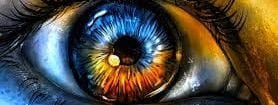
What is Beauty?

What is Beauty?

In the first half of the poem, my general reaction/thought was, explain the complexities of African collective identities. African collective identities are complex due to the continent’s past diversity of cultures, language, and histories. With over 2000 distinct ethnic groups, each with its unique traditions in world views, there is no single, homogeneous “African “identity. Instead, identities are deeply rooted in local communities, tribal affiliations and religious contacts. Energies are further shape by historical factors, such as colonialism, and the slave trade, which have left lasting impact on perceptions of identity. The tension between individuals from these ethnic identities and the border, often stated and also imposed on national identities, they’ve added another layer of complexity. Despite all these challenges, there are also moments like pan Africanism that seek to promote unity and solidarity, among Africans, highlighting the ongoing evolution of the Dynamism of African collective entities. My thought evokes a sense of awe at the continents, rich tapestry of cultures and histories. It also raises questions about the enduring impact of colonization, and how that interacting web of the ethnic and national identities, and the potential for unity and acceptance into society. It’s a reminder of African communities and an opportunity for global awareness and collaboration. However, it’s essential to approach this exploration with sensitivity to the challenges and conflicts that arise from these complexities in recognition of the ongoing evolution of African identity in our interconnected world.

 
The poet wrote, on how the skin color black isn’t just described as a dark shade of brown, but a variety of shades, and how she quotes “ beautiful, strong, exotic in profile” . In general, the poet wrote on how the skin type shades are described as an adamant object, where it will be fabric, or some kind of beautiful object in a way, and how I see it being put forward on how they’re all accepted. Just as a work of art is defined by its individuality and characters, so it’s the beauty of human skin. From the deepest ebony, to the fairest porcelain, every skin tone tells a story of heritage, resilience, and the remarkable diversity of our world. True beauty is found in conformity, but also in the appreciation of our differences, and it’s in embracing this diversity, that we truly understand the exquisite nature of all skin types.

Overall, I enjoyed reading the poem. I enjoyed it in a deep sense of connection through how finding collective identity in origin countries may be difficult. and I found myself relating the poem to real world situations. I have also found that the poet carefully crafted her words, so that way it would flow quite nicely to get to the main idea which I really liked and I understood what was being brought forward. The words were very captivating and interesting to me on how she related some things to inanimate objects like “black, brown, tan coffee, coffee, cream, Ebony, or exotic are like flowering lips or fine fabric”. I find myself pondering its general theme, after I finish reading it. This poem reminds me of the transformative power of language and art, and I couldn’t help but appreciate the skill of the poet in conveying such profound emotions, and ideas in just a few verses. It was a truly, fun poem to read and felt after I read it, renewed appreciation for the beauty of her words.

Image Citations
https://stock.adobe.com/fr/images/close-up-black-female-with-fluorescent-prints-on-skin-cosmic-paint-glowing-on-neon-lights-black-background-in-studio-female-with-body-art-closing-half-of-face-touching-beauty-fashion-concept/481847128
https://www.123rf.com/photo_206362777_portrait-of-a-beautiful-african-woman-with-unusual-body-art-with-black-skin-and-colored-eyes-and.html?vti=nlxyg37f5hbd2893ng-1-15&is_plus=1
https://webneel.com/webneel/blog/30-stunning-black-woman-paintings-illustrations-frank-morrison

Embracing One’s True Identity

https://speakout-speakup.org/blog/afro-ethics-understanding-corruption-in-africa/

The Profile of Africa

Maxine Tynes


we wear our skin like a fine fabric

we people of colour

brown, black, tan coffeecoffee cream ebony

beautiful, strong, exotic in profile

flowering lips

silhouette obsidian planes, curves, structure

like a many-shaded mosaic

we wear our skin like a flag

we share our colour like a blanket

we cast our skins like a shadow 

we wear our skin like a map

chart my beginning by my profile

chart my beginning by my colour 

read the map of my heritage in

my face 

my skin

the dark flash of eye 

the profile of Africa.

Portrait of a boy with the map of the world painted on his face

“read the map of my heritage in

my face

my skin”

The poem above was composed by Maxine Tynes, a descendant of black loyalists, incorporating her rich and enduring heritage into her writing. Her poems delve into themes of black identity, feminism, and physical disability. Her journey into poetry was driven by a desire to address the pressing racial and social issues of her era, offering her own experiences and perspective to contribute to the wider dialogue on equality and justice. In her poem “The Profile of Africa,” Tynes primarily celebrates the beauty, strength, and diversity of individuals of African descent. She underscores that one’s skin color and features should not be seen solely as physical attributes but as symbols of heritage and identity. The poem also carries a deeper message, encouraging readers to take pride in their origins and not conceal their identity and beauty from society.

You might be wondering how an Arab female can relate to a poem that primarily focuses on African descent. Let me share my perspective. Growing up as a Muslim Middle Eastern Arab, I often encountered stereotypes and prejudices. People would label me with hurtful stereotypes like “bomber” or “terrorist.” These derogatory names deeply affected me, to the point where I concealed my true identity. I avoided speaking my home language in public and kept my religion hidden from others, fearing the negative judgments I might face.

However, as I grew older, I realized that no matter what others thought, I knew my true self. I came to understand that I should embrace every aspect of my identity, from my religion to my cultural background and the color of my skin. There was no reason for me to feel ashamed of who I am just because of the assumptions people make. Today, I’m unapologetically myself, and I let people think what they want. I know my worth and potential.

It’s true that, like the poem suggests, I wear my identity like a map. People need to understand the challenges and struggles we face as individuals of color. Every person of color goes through their unique experiences, and the best way for others to comprehend this is for us to proudly embrace our distinctive features and backgrounds. By doing so, we foster a deeper and more meaningful understanding of where we come from, both for ourselves and those around us.

Maxine Tynes, conveys a powerful message about the beauty, strength, and diversity of people of African descent. Through vivid imagery, Tynes celebrates the rich tapestry of skin tones, from brown to ebony, as a source of pride and identity. She likens the skin to fine fabric, a flag, and a map, highlighting its significance in representing one’s heritage. Tynes suggests that individuals should embrace their unique profiles and wear their skin like a badge of honor, challenging stereotypes and prejudices. Ultimately, the poem encourages a deeper understanding and appreciation of African heritage and identity, emphasizing the importance of self-acceptance and cultural pride.It promotes the universal message that individuals should take pride in their unique identities and embrace their cultural heritage, regardless of their racial or ethnic background. Additionally, the poem encourages self-acceptance and challenges societal stereotypes, making it relatable to anyone who has experienced prejudice or felt the need to hide their true identity.


citations

https://www.shutterstock.com/search/african-unity