My Connections to Poetry:

Everyday We Get More Illegal

Juan Fellipe Herrera

Yet the peach tree
still rises
& falls with fruit & without
birds eat it the sparrows fight
our desert       

         burns with trash & drug
it also breathes & sprouts
vines & maguey

laws pass laws with scientific walls
detention cells   husband
                      with the son
                    the wife &
the daughter who
married a citizen  
they stay behind broken slashed

un-powdered in the apartment to
deal out the day
        & the puzzles
another law then   another
Mexican
      Indian
                  spirit exile


migration                 sky
the grass is mowed then blown
by a machine  sidewalks are empty
clean & the Red Shouldered Hawk
peers
down  — from
an abandoned wooden dome
                  an empty field

it is all in-between the light
every day this     changes a little

yesterday homeless &
w/o papers              Alberto
left for Denver a Greyhound bus he said
where they don’t check you

walking working
under the silver darkness
        walking   working
with our mind
our life


Being a Middle Eastern girl in Canada with my immigrant dad, this poem really hits close to home for me. It talks about things like a peach tree going through ups and downs and a desert dealing with both trash and growth. It’s like a picture of the complex journey we’ve been on.

When it talks about laws with scientific walls and detention cells, it feels like my family’s struggle with immigration is right there in the lines. Just like the family in the poem, we’ve had our share of separations and tough times.

The part about Alberto leaving for Denver on a Greyhound bus, where they don’t check you, reminds me of my dad’s journey for a better life. It’s about the lengths he went to, dealing with a system that doesn’t always make it easy for people like us.

But despite all the tough stuff, the poem talks about walking and working under the silver darkness. It’s like a picture of the everyday grind, the effort it takes to make a life in a new place. It’s what I see my dad doing and what I’m trying to do too.

The poem talks about the changing scenery and the inbetween light, which feels a lot like the constant adjustments you have to make as an immigrant. It’s like juggling between where you come from and where you are now.

In simple terms, this poem is like a reflection of my own life a mix of tough times, pushing through, and always hoping for something better. It’s a reminder that, just like the grass being mowed and blown, life keeps changing, and each day brings new challenges and chances.


I know why the caged bird sings 

Maya Angelou

A free bird leaps on the back 

Of the wind and floats downstream 

Till the current ends and dips his wing 

In the orange suns rays 

And dares to claim the sky. 


But a BIRD that stalks down his narrow cage 

Can seldom see through his bars of rage 

His wings are clipped and his feet are tied 

So he opens his throat to sing. 


The caged bird sings with a fearful trill 

Of things unknown but longed for still 

And his tune is heard on the distant hill for 

The caged bird sings of freedom. 


The free bird thinks of another breeze 

And the trade winds soft through 

The sighing trees 

And the fat worms waiting on a dawn-bright 

Lawn and he names the sky his own. 


But a caged BIRD stands on the grave of dreams 

His shadow shouts on a nightmare scream 

His wings are clipped and his feet are tied 

So he opens his throat to sing. 


The caged bird sings with 

A fearful trill of things unknown 

But longed for still and his 

Tune is heard on the distant hill 

For the caged bird sings of freedom.


The deep connection of ‘I Know Why the Caged Bird Sings’ with what’s happening in the world today,and to my people specifically,makes me think about the tough situation in Palestine. The imagery of the “caged bird” and the “free bird” mirrors the stark contrast between the oppressor and the oppressed, echoing the cries of a nation enduring 75 years and almost 4 months of relentless hardship,Palestine.

In finding similarities to the Palestinian-Israeli conflict, the metaphor becomes painfully relatable. Palestine, like the caged bird, has been crying out amidst oppression, ethnic cleansing, and enduring trauma inflicted by the forces of Israel. The sight of children being killed and families bombed vividly aligns with the harsh reality faced by Palestinians.

The chilling account of Palestinians being directed by Israeli forces to migrate for “safety,” only to face further devastation on their journey by the Israeli forces once again, mirrors the harsh realities of the ongoing conflict. There is even evidence of this tragic event,yet still no one seems to believe the Palestinians,yet when the Israelis come up and share their stories with no follow up evidence everyone is so quick to listen and feel for them.

As the poem reflects on these injustices, it transforms into a personal reaction filled with a deep sense of connection.These are not just distant events, these are my brothers and sisters in Palestine. Their silent screams reverberate through the verses, as their hands and feet remain bound by an unjust reality.

To me it looks like the world is seemingly turning a blind eye to the substantiated truth while readily accepting unverified stories. Even when Palestinians show their videos of our civilians and pictures of our civilians,clear evidenve and proof people still choose not to believe them,this just underscores the struggle for acknowledgment and justice.

In simple terms, this personal response is a call for everyone to wake up and see what’s really going on. The ‘caged bird’ in Palestine keeps singing, as its “hands and feet are tied”,and it’s really important that the world hears them on the “distant hill”. Every life matters, no matter how complicated world politics might be, and we should remember the basic principles of fairness and humanity.


Moussa, Emad. “Flagophobia: Israel’s Escalating War on the Palestinian Flag.” The New Arab, The New Arab, www.newarab.com/analysis/flagophobia-israels-escalating-war-palestinian-flag. Accessed 6 Dec. 2023. 

“Immigration Images, HD Pictures for Free Vectors Download.” LovePik, lovepik.com/images/immigration.html. Accessed 6 Dec. 2023. 

Connecting Poetic Threads

Connecting Poetic Threads
“if you touch me, touch ALL of my people
who need attention and societal repair,
give the tired and the poor
the same attention, AMERICA,
touch us ALL with liberty,
touch us ALL with liberty.”
– Lady Liberty


Both the poems Lady Liberty by Tato Laviera and Caged Bird by Maya Angelou communicated strong emotions in me, connecting with my history and my experiences. Both poems delved into the aspects of freedom, immigration, and the responsibilities that society holds, offering thought-provoking insights into the challenges faced by marginalized and minority communities.

Tato Laviera.

As someone whose parents had immigrated to Canada, the themes of liberty, immigration, and societal responsibility from Lady Liberty struck a chord with me. Lady Liberty’s plea for attention and societal healing reminded me of the difficulties experienced by immigrants, reminding me of my family’s journey and the obstacles they had faced in pursuit of a better life. Furthermore, Lady Liberty’s call to embrace all people strongly aligned with the values of inclusivity and equality, which was something that I held to a high standard. The poem served as a message not just to America, but the entire world, urging us to address and recognize that true freedom can not be attained if it comes at the expense of neglecting others’ needs. The poem prompted me to reflect on the implications of liberty and societal accountability, emphasizing how interconnected nations and people were in their shared journey toward happiness. It had served as a reminder that while we celebrated freedom we also needed to acknowledge and work towards resolving the smaller and underlying issues within our society. We should strive to make sure that everyone regardless of their background or circumstances has access to liberty. Lady Liberty led me to reflect on the meaning of freedom, our responsibilities to society, and the interconnectedness of communities. The poem’s vivid descriptions, powerful comparisons, and moving messages helped me delve into understanding the complexities involved in striving for freedom and the significance of working as a community to create a fair society.

As I read both Lady Liberty and Caged Bird, I found myself drawing multiple connections between the two poems. The contrasting images of magnificence and decay in Lady Liberty mirrored the exploration of confinement and freedom found in Caged Bird. It had become clear to me that both poems served as contemplations on our shared responsibility when it came to striving for a truly inclusive society.

Maya Angelou’s poem evoked thoughts that connected not only with the theme of the poem and Lady Liberty but also with my personal experiences. The contrasting imagery of the free bird and the bird that was trapped created a depiction of freedom and confinement. The free bird had been capable of “soaring on the wind” and “claiming the sky,” symbolizing the experience of living without limitations. In contrast, the caged bird represented those who faced struggles due to cultural or personal barriers as it remained confined within a space. I saw parallels between the caged bird and my parents’ experiences. The caged bird’s song about longing for “things yet still desired” reminded me of their yearning for a better life and opportunities. Similar to the caged bird, my parents bravely expressed their dreams against all odds and created a life in a country where they often found themselves Caged. The depiction of “bars of rage” and the haunting cry of a “nightmare scream” captured the frustration and despair that arose when one felt confined and trapped. This is strongly connected with the challenges experienced by immigrants, who frequently encounter prejudice, discrimination, and the burden of expectations. Watching the presentation on the poem and learning about the author and their history allowed me to expand my understanding even more. Angelou’s poetry beautifully captured the struggles faced by African Americans, which was something I could relate to as my parents had also faced challenges as immigrants. It made me realize how interconnected minority communities were and that the fight for freedom and equality was something that was shared despite the differences between communities. As I related my background to the poem, it evoked a sense of empathy and solidarity within me. The caged bird’s song, symbolizing freedom and reaching toward horizons, is like an anthem for those who strived for a better life.

The challenges depicted in Lady Liberty marked by decay, mirrored the feelings of confinement and longing portrayed in Caged Bird. Both poems highlighted the importance of repairing our society, embracing inclusivity, and recognizing how nations were interconnected in their pursuit of freedom. Together they deliver a call to action that urges society to address the imperfections within our communities and ensure that freedom is a shared mission – one that goes beyond borders, cultures, and backgrounds. As I navigate through my own identity, these poems serve as guiding lights, reminding me of our responsibility to create a world where freedom and acceptance are not merely celebrated but also universally attainable.


Citations-
NEW YORK – SEPTEMBER 27: Honoree Jesus Tato Laviera attends the American Diabetes Association launching of “Live The Good Life” Campaign at N Harlem on September 27, 2006 in New York City. (Photo by Donna Ward/Getty Images)

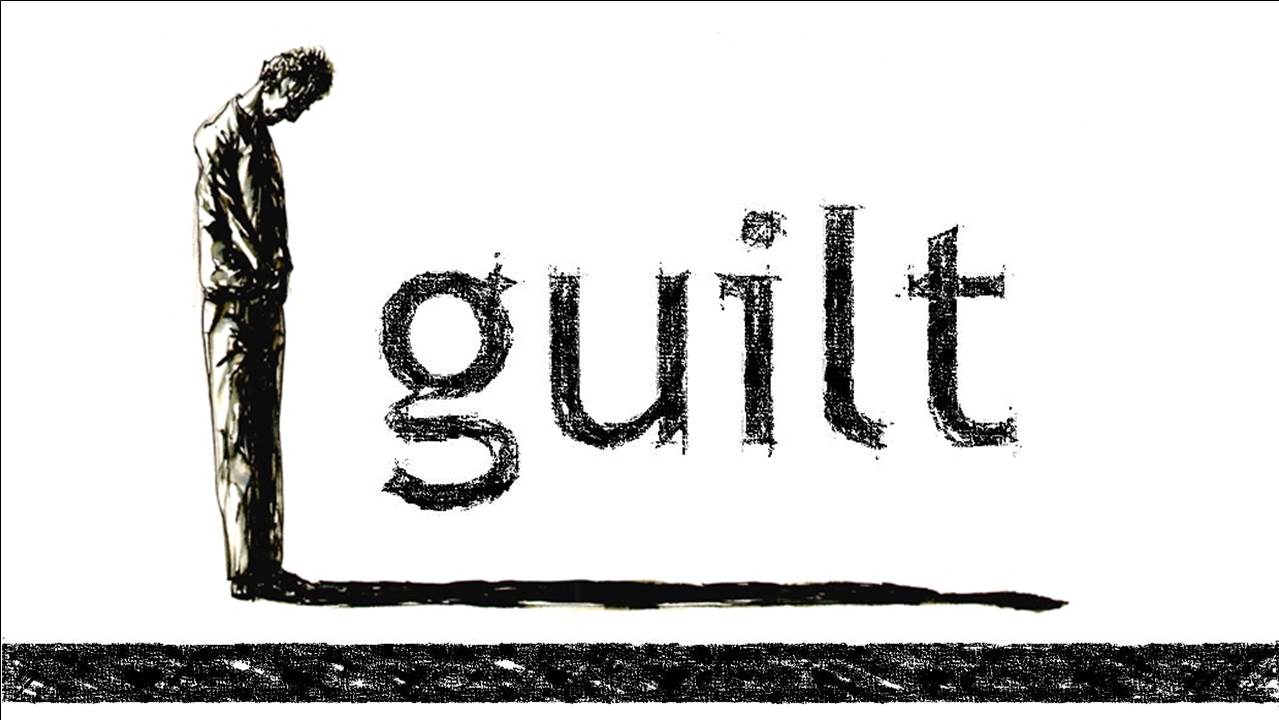
Guilt in the Kite Runner

In “The Kite Runner,” Khaled Hosseini masterfully explores the multifaceted nature of human choices, crafting a narrative that weaves together personal morality, societal expectations, and the relentless pursuit of redemption. At the heart of the novel is the protagonist, Amir, whose life unfolds as a tapestry of decisions shaped by the haunting specter of guilt. Early in his childhood, Amir betrays his loyal friend and half-brother, Hassan, during a moment of vulnerability. The consequences of this betrayal reverberate throughout Amir’s life, becoming a driving force that propels him to make choices entwined with a fervent desire for redemption.


Guilt emerges as a powerful motivator, pushing Amir to grapple with the consequences of his past actions. Hosseini delves into the psychological complexities of guilt, portraying it as an ever-present force that colors Amir’s perceptions and influences his decision-making. Amir’s guilt is not a passive burden but an active agent that shapes his choices, from his internalized self-loathing to his external actions. His migration to the United States is, in part, an attempt to escape the shadows of his past, a geographical move that mirrors his quest for a clean slate. However, as the narrative unfolds, it becomes evident that physical distance alone cannot sever the ties to guilt. Hosseini suggests that redemption is an internal journey, a series of choices that require /courageous confrontations with one’s own conscience. In Amir’s case, this internal struggle manifests in the form of tangible actions, such as his decision to return to Afghanistan and rescue Hassan’s son, Sohrab, from the clutches of the Taliban.

The novel also delves into the interplay between individual moral dilemmas and the external pressures of societal expectations. Set against the backdrop of the political turmoil in Afghanistan, the characters in “The Kite Runner” navigate a complex tapestry of cultural norms and societal judgments. Amir’s choices are not solely shaped by his internal moral compass; they are also influenced by the societal expectations of honor, loyalty, and masculinity. The juxtaposition of Amir’s personal guilt and the societal expectations of his role as a son and friend creates a nuanced portrait of the intricate dance between personal conscience and external pressures. Hosseini suggests that individuals exist within a dynamic interplay of internal and external forces when making life-altering decisions.

Moreover, the novel underscores the cyclical nature of choices, as the repercussions of one’s decisions ripple through generations. The sins of the fathers are visited upon the sons, and the narrative unfolds as a testament to the inescapable legacy of choices. Amir’s journey for redemption extends beyond his personal salvation; it becomes a quest to break the cycle of betrayal and atone for the sins of the past. The choices made by the older generation cast long shadows over the lives of their progeny, illustrating how individual decisions reverberate through time, shaping the destinies of future generations. In this exploration of generational consequences, Hosseini prompts readers to reflect on the enduring impact of choices and the responsibility that comes with wielding the power to shape one’s destiny.


In conclusion, Khaled Hosseini’s “The Kite Runner” is a rich tapestry that delves into the intricate motivations driving individuals to make choices in their lives. Through the lens of Amir’s journey, the novel explores the pervasive influence of guilt, the interplay between personal morality and societal expectations, and the cyclical nature of choices. This narrative complexity serves as a mirror reflecting the universal truths about human nature and the intricate web of factors that contribute to the decisions individuals make. Ultimately, “The Kite Runner” invites readers to contemplate the profound implications of choices and the transformative power of redemption in the face of personal and societal adversity.

Breaking the Silence: Obasan’s Unfiltered Lens on Cultural Identity

Breaking the Silence: Obasan’s Unfiltered Lens on Cultural Identity

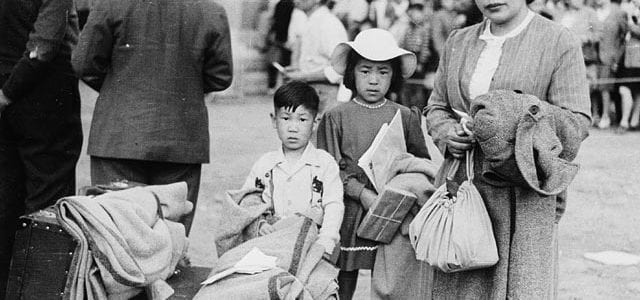
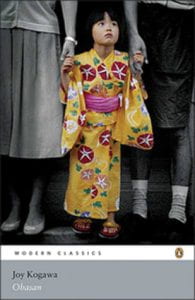
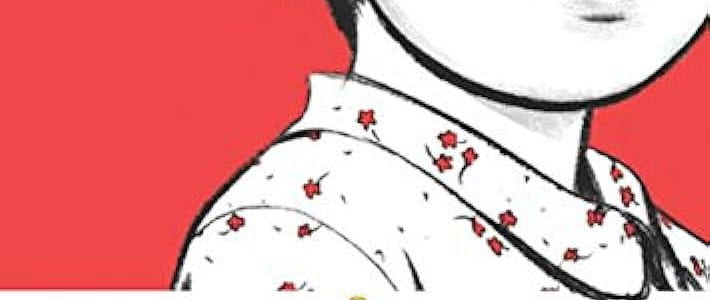
Assimilation is the absorption of a minority group by a dominant group. It has happened throughout history too many times to count — and only recently has our government taken action to reconcile its overlooked history of marginalization and mistreatment of ethnic groups. Canada’s reputation of being a melting pot of cultures and a catalyst for pluralism must be viewed through a broader lens, including the realities of people who have been historically silenced and oppressed. The acclaimed novel Obasan by Joy Kogawa is an eye-opening read that pledges to educate Canadians and recognize the wounds our country inflicted on the identities of Japanese Canadians.

Assimilation

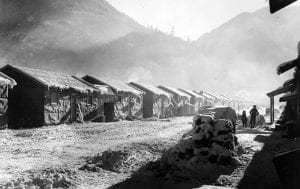
The protagonist and narrator of the story, Naomi Nakane, is a part of the Sansei generation, which equates to third-generation immigrants. In post-war Canada, we learn that she is no stranger to adversity. Her family was displaced to several internment camps with immoral living conditions, her mother disappeared out of the blue, and she was molested by her neighbour, leaving her consumed by shame.


To shield herself from her tragic history, she follows the ideology of leaving the past in the past, using silence as her primary coping mechanism. However, this silence, initially intended as a protective barrier, also serves as a double-edged sword. Naomi becomes severed from a deeper understanding of herself and her identity, as she is bound to an endless cycle of suppressed emotions and unaddressed traumas. Therefore, readers are only exposed to a surface-level insight of Naomi’s character.

Silence

Naomi’s journey as a Japanese Canadian reflects the broader struggle of her community to reconcile with a history marred by discrimination. While enduring shaped Naomi into a resilient figure, she tolerates subtle racism and hateful comments from community members, reflecting a struggle to preserve her cultural identity while navigating a society that has marginalized her.

In contrast, Naomi’s brother Stephen escaped the abyss of cultural conflict by rejecting his Japanese background and succumbing to mainstream white Canadian culture. This method of integrating into Canadian society was the goal of our government- to eradicate all traces of Japanese heritage from the country to maintain their Eurocentric system of keeping white people in power. The shame Stephen feels for his culture is evident when he reaches adulthood and isolates himself from his family and anything Japanese-related.

It is interesting to view the impacts of assimilation from a generational standpoint, which demonstrates the gradual cultural erosion down Naomi’s family tree. Naomi’s grandparents, referred to as the Issei or first-generation, maintained their undying ties to their homeland despite living in Canada, embodying a traditional Japanese approach to life. The second generation, or the Nisei, attempted to find a balance between their Japanese roots and integration into Canada. However, as Eurocentrism dominated the nation’s structure at the time, they were forced to conceal parts of their heritage to avoid discrimination. At this stage, factors like language, traditions, and cultural practices began to wash away.

When looking at the bigger picture, Naomi’s fragmented memories appear to be a metaphor for the fragmentation of her culture. While readers have to piece together the broken timeline, Japanese Canadians can barely piece together the aspects of their culture that were severed by hate.

Fragmented memories and fragmented cultural identity

In conclusion, by unpacking the raw truth behind generations of silence and unspoken scars, as Joy Kogawa did with Obasan, we lay the groundwork for a future where empathy builds and rebuilds bridges within humanity. While we cannot change history, we can take accountability for our wrongdoings and grow into a country that is united in our values while truly diverse in our people.


_________________________________________________________________________________________

Image Citations:

https://spiritwest.com/blog-timeline/229-how-to-increase-distribution-in-a-fragmented-market

https://www.humanrightscareers.com/issues/what-is-cultural-assimilation/

https://www.soundonsound.com/people/why-love-silence


Plato’s allegory of the cave is a centuries-old philosophical discussion that has managed to stay relevant since the times of ancient civilizations. It’s message is still analyzed and held as one of the more important messages for society. The allegory is a tale which informs people how ignorance is like a ‘cave’ that is difficult to escape from, and how hard it is to accept new facts and knowledge. The original text is comprised of a conversation between Plato’s brother, Glaucon, and his mentor, Socrates. They discuss the nature of reality, and how one who has always known a false reality might react when confronted with the ‘real reality’.

Humans are designed to resist change, because a fixed system is perceived by our troglodytic brains as safe, and any deviation perceived as unsafe. Through thousands of years of evolution, this response has been ingrained in people’s brains as a survival tactic. Although people may know that they should learn more and that knowledge will ultimately improve their lives and the lives of others through things like technology, there exists a very powerful instinct to stay on the beaten path, and in this cognitive dissonance, the easiest idea to express is the one that comes to people instinctually. The progress of humanity is an uphill battle against this instinct, to create and explore new things. The jump out of apathy programmed into individuals is caused by hitting rock bottom. When the fixed system or ‘cave’ cannot get any worse, the survival instinct in one’s brain will push for a change, to get out of the ‘cave’ and discover something new, because it must be better than what the current situation is.

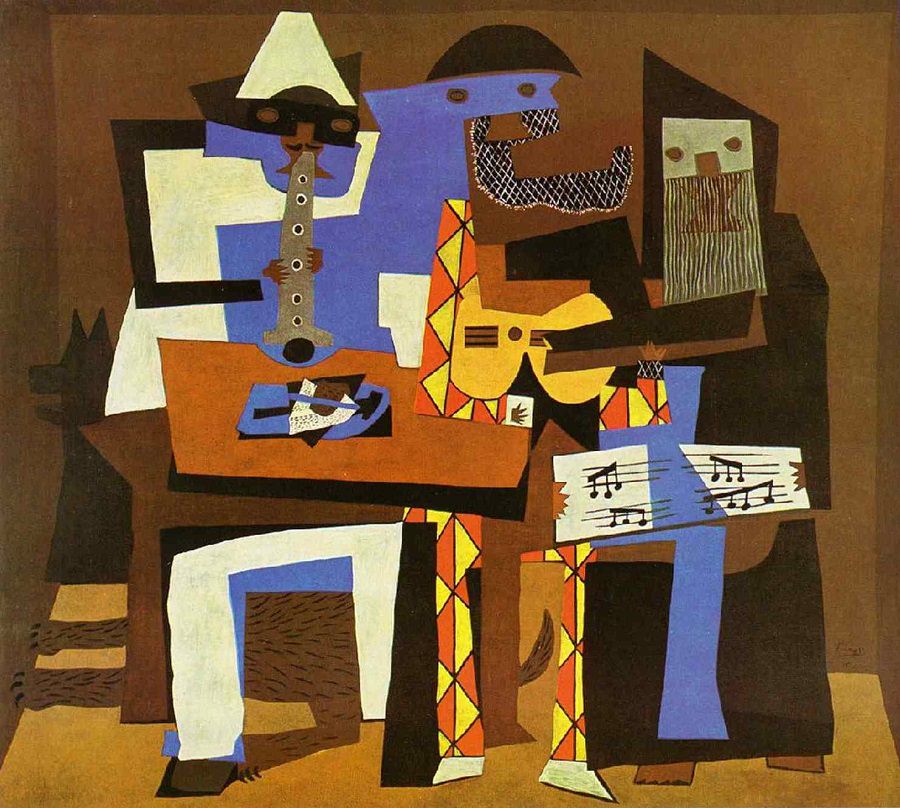
The Renaissance,  celebrated as one of the greatest periods of art, science, and technological advancement, came after the Dark Ages, in which the general treatment of people was awful, and most people had nothing. Although it took many decades, one survival instinct overcame the other, and people began to prosper. Examples of people finally overcoming their troglodytic brain in order to find progress is seen in every revolution in history, and many other places if one is willing to go looking. Many of the best poets and artists have produced what is considered to be their best works in their darkest of times. Picasso’s Blue Period is a famous example of this. Right after the Blue Period, in which he was depressed, Picasso started painting in his most well known style, cubism. These are the paintings he is most known for, because they were in a unique style. It was only after hitting rock bottom that the change was brought forth.

All of these examples go to show why Plato’s message continues to be so relevant. They are a reminder that change is good, and a call to ignore the mindset that would keep one trapped in the cave, and encourages one to seek truth and understanding. Even once one has read and understood the allegory, there is no guarantee that change will arise. The earlier mentioned cognitive dissonance will cause the desire to remain the same to prevail most times, and one cannot just con their own brain into working differently. The more this problem is talked about, the harder it is for the brain to outright dismiss change as something to be avoided, and the greater a chance for change to arise is.

Homeward Memory

Homeward Memory

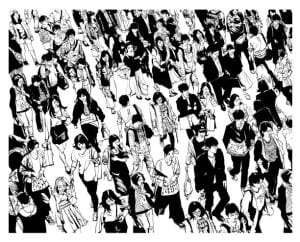
Hundreds of thousands of critters began their voyage, not one of pilgrimage but of conventionality; routine. They tread slowly, begrudgingly, towards their destination, knowing full well what awaits them. They skitter and scamper, brushing past one another, not unaware of one another but uncaring towards any purpose and ambition they may hold, for rapacity overpowers any compassion still held.

They march onward, ceaselessly

Hastily they scuttle, hiding from daylight beneath arched stone. This was not solace, however. Basking in the sun was respite for these enervated labourers. They instead shambled upwards the spire erected of rock and glass, reaching whichever wretched sector they were designated, assigned for the exclusive purpose of their toil. The window that overlooked similarly functioning structures was befouled this morn. No doubt attributed to rainfall last night. The downpour that took place made the young night forlorn, and no one dared venture out. No petrichor danced through the air, because of grass being replaced for asphalt motorways. Illuminating the drudgers’ work were cages of halogens, haloed in a sickly flaxen glow. They were an insufferable attempt to recreate the glorious shine from the world outside, but did so in such a cruel manner. The fluorescent bars also provided a complimentary hum, ceaseless and maddening. But not towards those ensnared within these walls. For the tone hum harmonised with the resonance in their heads; the buzz of thoughts that occupied the interludes between their labour. But they never drew any poignant conclusions. Those who dare to contemplate the finality of their past will be met with imminent consequences of their actions, those who dare to peer forward into fate shall reveal destiny’s cascade; an interminable casual nexus. This paradox obscures those free moments, vieling the path of the present, leaving the mind to drift forever fretting. One worker, whose mind racked the dilemma, caught a flash of orange through glass. They turned to face it, observing the bulky mechanical arm shift outside. He watched the crane shift outside, its components shuddering with age. The roads below were forbidden to travel through, sectioned off with vibrant tape. The worker turned left, and noticed an empty cubicle. They thought nothing of it, after all, why should they spend the effort to connect concepts?

This turn of events was particularly irksome. Why would it be today, the day of his meeting? No mither, he’d just take a detour. He considered slinking past the intensely coloured warning tape, but the crumbling walls and giant machined colossi quickly halted the plan from reaching fruition. He only had walked these alternate roads a handful of times, so the signs that danced with scintillation and inscribed with memorable slogans were still so foreign to him. A cafe buzzed, fragments of conversation leaking through the opened glass windows. A single line resounded in his ears, reminding him of what strife was to come. Something as innocuous as “…Sales are up this quarter…” engendered a recrudescence to his predicament. He couldn’t even recall what he did the night prior, for the stress of tomorrow suffused over him. Would this be the transgression that cost his job? As he contemplated, or rather, fretted fruitlessly, something stirred from deep within its metal prison, preparing for its duty so decisively.


The dough broiled under the heat of the coils. It soaked up the delicious warmth, its buttery skin changed by a golden brown proliferation. As the vermin that crept inside its cavernous body feasted, they inflated the dough’s flesh, growing to a particularly piquant puffed body. The dough exhaled, releasing an appetising scent to be carried by a breeze. It swept the flavourful fragrance up, and out through the ajar window. Dancing through the bustling air of the streets, it carelessly wandered towards the man late for work, carrying the esse of the delicious baked good. The man caught the scent, and was ripped from the dichotomy that vexed him. He was taken to the days of his childhood; the warm feeling of his mothers smile; the delicious smell of golden-brown buns singing a song of allure from an oven. Grandma’s windchimes harmonizing with the splendid song of blue birds outside; the petrichor of the lemongrass wafting through the cedar porch. It was profound, formed of bliss and vigour, only for the memory to be blown away in an instant. It- It was gone. Wisped away. But the profound nostalgia still remained. He remembered his idyllic childhood, eating dinner with his family, and his mother’s smile. Where had it all gone? Flooding forth from the recesses of his heart, came a longing for eras bygone. The feeling burgeoned, educing an ardent flame of a wish. To relive the past. Would he forever suffer, due to the sisyphean nature of his dream?
Then, at that moment, he had solved the enigma that plagued many before him. A solution for him, at the very least. The past is gone; indelibly elapsed. It was difficult not to be enamoured by its beauty, but it’s gone. The only option was to make tomorrow as sublime as the past. But how could he achieve such a feat, how can he mold the future? The answer was simple. Focus on what he could control, the present. To make the future as wonderful as the past, he would build the present.

https://www.istockphoto.com/vector/pedestrians-walking-at-shibuya-crossing-gm1294119303-388230276

https://search.heritageburnaby.ca/list?q=%226450+Deer+Lake+Drive%22&p=1&ps=&sort=title_sort+asc

A Tale of Memories and Hardships

A Tale of Memories and Hardships

Obasan, written by Joy Kogawa, is an insightful novel into the horrors the Canadian-Japanese experienced during the Second World War, and how the history still shapes many of their lives years later.

The story follows Megumi Naomi Nakane, who as a young girl experiences the internment of the Japanese-Canadians first hand and how she grew up throughout such a harsh period of time. The story is told through a handful of Naomi’s perspectives starting the story off in 1972 with her uncle Isamu. Her uncle soon passes away and Naomi drives out to visit her Obasan (aunt/uncle’s wife). After a few chapters with Obasan the story then transitions to being told through a series of old letters and flashbacks. It is here where we are given the full story from Naomi’s perspective piece by piece until we return to the 70s for the final few chapters, still pondering the past events.

Though an important perspective and a powerful story, the novel can feel very run-on and unnecessary at times especially during the first half of the book. This is due to the writing style which the author has chosen to use. Throughout the story Kogawa writes in extreme and precise detail, outlining every aspect of the scene she’s describing. While useful for laying down exactly what the author wants the reader to know and picture, Kogawa tends to do this somewhat erratically, choosing to focus on some of the most mundane or insignificant aspects of a scene. This can be anything from a full page exclusively about the clutter of a kitchen fridge, to the patterning on a set of dishes used once in a single chapter. While one could look at this from a literary standpoint and say it shows the contrast of different ways Naomi and her family lived throughout the years, this unique usage of description can turn a reader away from the story due to how frustratingly time consuming it can be. The novel can feel slow and verge on boring thanks to Kogawa’s writing, which can be quite bothersome when trying to read a novel that tackles such a complex and painful subject. The use of flashbacks can also feel rather jarring at times, due to not always being certain as to where and when an event is taking place unless explicitly stated (which it often is fortunately). However, I did find that the impact certain points or ideas had would not be felt the same if the story were to be told in a linear fashion.

Though a tough read at times due to the author’s methodology, Obasan is an important story working to understand about how to live with oneself after an atrocity like the internment camps during WWII. In the end, I enjoyed this book, even if it isn’t for everyone. I would recommend it to any and all looking for a historical-fiction that delves deep into the personal and emotional aspects of how war changes even those not directly involved in it.


-Image links-

https://www.project44.ca/japanese-canadian-internment

Japanese Canadian Historic Sites in BC: Journeys of Home

https://fvcurrent.com/p/tashme-museum/

Obasan By Joy Kogawa Book Review