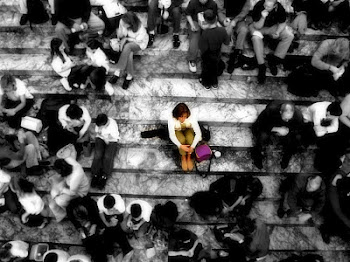
Reaching your potential

Reaching your potential

The poem that I picked to analyze was Progress, by Christina Rossetti. The poem is from the point of view of an unknown narrator who seems to be observing a woman. The unknown narrator first mentions that they never thought the woman would come this far, in terms of how much progress she has already made. The narrator then shifts to present tense describing the woman’s qualities, some being more refined while others still needing a bit more personnel development. The narrator finally shifts again to future tense saying how they hope she will continue to develop and grow as a person. Overall Progress is a story about a woman who traverses her way through life while growing as a person in the process. After fully analyzing Progress via tpcastt I have come to the conclusion that the message that Christina Rossetti is conveying to her readers is that we need to strive to change as we grow, always being dynamic and never static. To put simply, the message behind the poem Progress is about people needing to make progress. But it’s more than that. It’s a message that we can all relate to since we have all changed and matured as we have grown. It is a reminder to always find ways to improve ourselves because no one is ever perfect and there are always ways to expand and lengthen our knowledge, understanding and abilities.

One of the reasons I chose Progress to be the poem that I analyzed was because I could relate to the message of constantly striving to be the best version of myself. One ongoing anecdote that fits this message is climbing. If you don’t already know, I am a very avid rock climber. I climb almost three times a week and I am always trying to push myself. I have been injured in the past, though, which can be really discouraging. My strength levels always drop when I am injured, preventing me from being as strong as I normally am. Obviously being injured is not ideal but if I let my body heal properly then after a few months I am usually back even stronger than I was before the injury. I just have to persevere and keep growing my climbing skills. In conclusion The poem Progress is about continually and constantly improving ourselves, which is something that everyone has to work on because everyone has weaknesses and flaws that need attention and growth. By doing this we will not only enhance our personal development but also contribute to a better world where individuals strive to become their best selves, inspiring others to do the same. Ultimately, the poem Progress reminds us that the pursuit of self improvement is a universal and never-ending endeavor that unites us as we strive to overcome our imperfections and reach our full potential.


https://www.tripsavvy.com/basic-types-of-climbing-handholds-755334

https://fee.org/articles/use-this-amazing-resource-to-track-how-humans-are-making-progress-around-the-world


The Price of Enlightenment

The Price of Enlightenment

I’ve always felt as though I was different from everyone else. The rest of my family, the rest of my tribe, the rest of my nation; for some reason, everyone seems… fine. They’re simply okay with how we’re living now. Nobody else wonders why we’re chained here. Nobody else wishes to see more than what is put in front of their eyes. Nobody else wonders where we are, what we are, or how we came to be here. Nobody, but me.

– X, a former caveperson

The day everything changed was a day much like the rest. We were all sitting there, watching the things on the wall move. There was no name for them― no one was curious enough to, but I’d been calling them “Darkers”, simply because of how dark they were. The Darkers were strange. They were different from us; funnily shaped, as they changed and moved, and bent and twisted. They weren’t the same size, and the tops of them were decorated with various shared objects; some were rounder, some were sharper, and some I simply couldn’t make sense of.

What was different about this day? I’m not really sure. Perhaps I felt antsier than usual, or maybe I was bored and subconsciously looked for excitement. Regardless, I heard a noise― not the sound of the Darkers as they talked― that had always happened, and there was nothing new about it. This sound was faint and elusive: sometimes I thought I heard it, but when I listened more closely, I could no longer perceive it. However, everytime I stopped paying close attention, I heard it again, and I became more and more convinced that what I was hearing wasn’t an illusion or a trick my ears played on me, but something that actually existed. I was convinced of its realism.

I eventually figured out that what I was hearing was a disjointed repetition of the sounds the Darkers were making. Suddenly, I was liberated from the shackles that imprisoned me, perhaps due to my change in perspective, and I was compelled to stand and walk away from the only truth I had ever known.

I saw light, and it hurt. The dancing orange-red flicker amidst the darkness captivated me. I got closer and closer, feeling partly excited about the potential to answer all of my questions, and partly reluctant and hesitant about the unknown things I would face. As my eyes adjusted the nearer I got to the red glow, I saw another light, both brighter and whiter than the first. “The sun.” I breathed. I followed the light and saw the world. ‘Water’, ‘grass’, and finally, ‘humans’.

I know now that I was enlightened. I was taught the truth of the world. The Darkers were merely shadows projected by the people. The illusive sound I was hearing is called an echo. Our entire situation was akin to viewing life through a murky film. Feeling pity for my fellow people, I resolved to always pursue knowledge. 

However, before I knew it, I was back in the cave, as though my previous experience in the sun was simply a figment of my imagination. 

Not to be discouraged, I excitedly told tales of the world I had seen, trying to free them of their ignorance. Time and time again though, they refused to listen. Out of desperation, I attempted to free another one of my tribesmen from the shackles that bound him. I was discovered and captured. They all resisted, and my ideas were stifled.

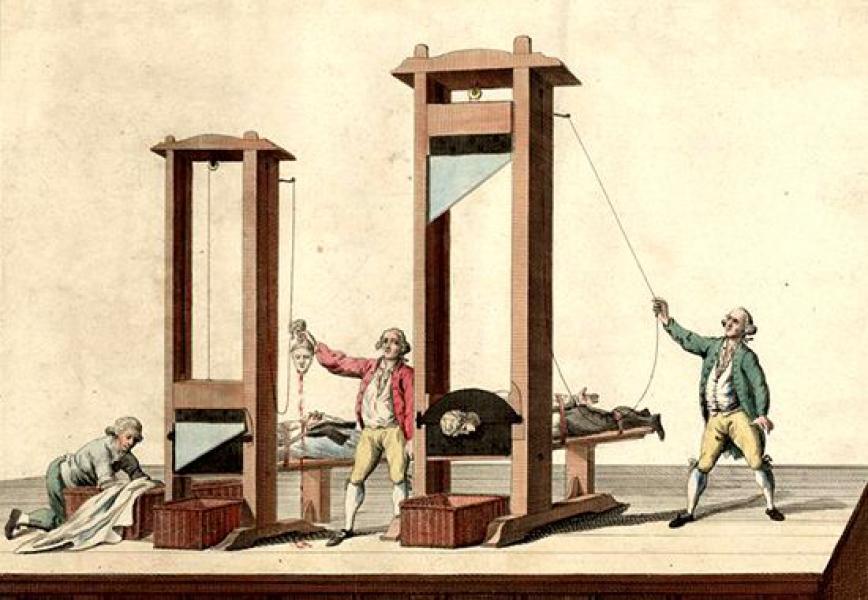
Now, I can only hopelessly attempt to pass my experiences to a future generation by sneakily writing them on smuggled paper in a corner of my cell, as I await execution.


I have experienced events similar to the execution that is portrayed in the above retelling of Plato’s Allegory of the Cave, although my execution wasn’t in the literal sense of the word. My personal cave is the need to meet expectations and fulfill stereotypes. Regardless of where a person is, there is a certain character they need to play, or a role they need to fit. The creation of that character could be a result of others’ expectations, or it could be self-imposed.

In school, mine, I believed, was to be smart and knowledgeable about things. I felt the need to always have an answer to a problem or a question, not only in academics, but in general life as well, and this was partly because of pride and partly because of a fear of what would happen if I wasn’t “right”. Because of these factors, I made up the most ridiculous answers to questions, and insisted that I was right, even when proven wrong.

This led to my social execution― because essentially, giving an incorrect answer to a question someone has, and knowing that the answer you gave is wrong but still insisting upon it being right, is the same thing as lying. This social execution was a price I paid before being enlightened, as opposed to it being a price I paid as a result of being enlightened of the reality that a person can not, and should not always be right, as this would prevent one from growing and developing.

While this is still a problem I struggle with at times, I’ve found myself improving, and being more willing to accept feedback and the truth that I won’t always have the right answer.

Citations: