

“The Kite Runner” is a novel written by Khaled Hosseini. The book explores the relationship between Amir and Hassan.  Amir is a privileged Pashtun boy, the child of a wealthy man who is referred to as Baba throughout the book. Hassan is from the Hazara cultural group and is the son of Baba’s servant, Ali. The Hazaras are an ethnic group marginalized in their society as they look different from the Pashtuns. The story starts in Kabul, Afghanistan, in 1963. The novel is about the complicated relationship between the two boys, which is tested by expectations created by society, envy, and a traumatic event that influences their lives. The book explores the themes of guilt, redemption, loyalty, family dynamics, and the influence of personal decisions on one’s future.
The book focuses heavily on the idea of belonging. Many influences drive people’s needs to belong, and many of these ideas are evident in the main character, Amir. As the story continues, the desired feelings of belonging shape Amir’s character and control his actions. Personal living standards, parental and cultural expectations, and guilt fuel Amir’s actions to establish a sense of belonging in various aspects of his life. At the beginning of the book, the reader is introduced to Amir’s family. Amir’s mother died while giving birth to Amir.  The death of his mother weighs heavy on Amir, as he lacks a mother figure in his life. Moreover, he feels a sense of guilt as he believes his mother would still be alive if she didn’t give birth to him. Amir was raised by his father, who was emotionally unavailable for most of Amir’s life as he created emotional distance from his son due to his wife’s death. Baba was a hard-working man who proved his critics wrong by achieving everything he said he would. He became wealthy and surrounded himself with upper-class people. Baba is an influential and traditional figure who expects Amir to live up to the Pashtun ideas of bravery and strength. However, in the story, Amir is nothing like his father, which upsets Baba as he worries that Amir will not be able to stand up for himself and will never become a true man. Instead, Amir is described as a gentle character who likes to keep to himself. Amir desperately desires to be seen as worthy in his father’s eyes, so he constantly tries to prove his worth to his father to win approval and appreciation. Furthermore, Amir has a gift for writing.
  He tries to impress his father by showcasing his literary work, but Baba wants Amir to play soccer or games with the other children instead and act as an average child would. Due to this tension, Baba ushers Amir away and diverts his attention to Hassan. After yearning for his father’s approval, Amir grows jealous of Hassan and Baba’s relationship over time. Their connection leads Amir to work even harder to win his father’s love so he can feel the sense of belonging he has always wished for. Baba cares about Hassan because he has recognizable moral qualities and is seen as a family member, as Baba’s parents adopted Ali. Baba also favors Hassan over Amir because his moral virtues of loyalty, bravery, and integrity stand out to him, which Amir lacks. Baba’s love for Hassan reflects the purity of heart and character Hassan possesses. Hassan and Baba’s relationship influences Hassan and Amir’s friendship as Amir finds ways to prank Hassan by teaching him English words that disrespect Hassan. But Hassan is uneducated, so he stays faithful to Amir and follows all expectations to fulfill their friendship. Cultural expectations influence Amir and Hassan’s friendship. As mentioned before, Amir and Hassan are from different castes, which causes a source of conflict and guilt for Amir. Amir is expected to follow certain societal norms and expectations.
  As Amir is seen as superior in caste, his friendship with Hassan contradicts societal standards and complicates Amir’s feeling of belonging in society. When Amir betrays Hassan, Amir lives with guilt for the rest of his life. The main reason for his guilt is that Hassan was loyal to Amir despite any circumstances. The author portrays this loyalty by telling the reader that Hassan’s first word was Amir’s name. To overcome this guilt, Amir looks for a sense of belonging in his morals and personal living standards that he avoided when he decided not to help Hassan many years ago.
“The Kite Runner” captures the idea that motives influence one’s need to belong.  A sense of belonging can be present in society, relationships, and one’s internal morals. The sense of belonging is evident in the character Amir as he represents the human condition of wanting to achieve a sense of belonging in all aspects of one’s life. Amir’s character is influenced by Baba’s approval, cultural and societal expectations, living to his fundamental morals, and feelings of guilt, which all drive his desire to belong.
___________________________________________________________________________________
References:
https://vocal.media/geeks/the-kite-runner-f72bs0u32
https://www.wallpaperflare.com/blank-notebook-pencil-desk-wood-write-notepad-design-wallpaper-aatpu
https://www.yesmagazine.org/health-happiness/2019/08/23/how-to-friend-break-up
https://jennyontheroad.wordpress.com/2014/04/26/dissertation-done/
https://www.vecteezy.com/free-vector/father-and-son-silhouette


 question I propose to you is; how will you love another person without being able to appreciate and care for yourself first? And will you truly be able to love this person to the fullest? For some it is possible, I can not deny this, with the correct circumstances, tendencies and intentions.
 about what others think of me.
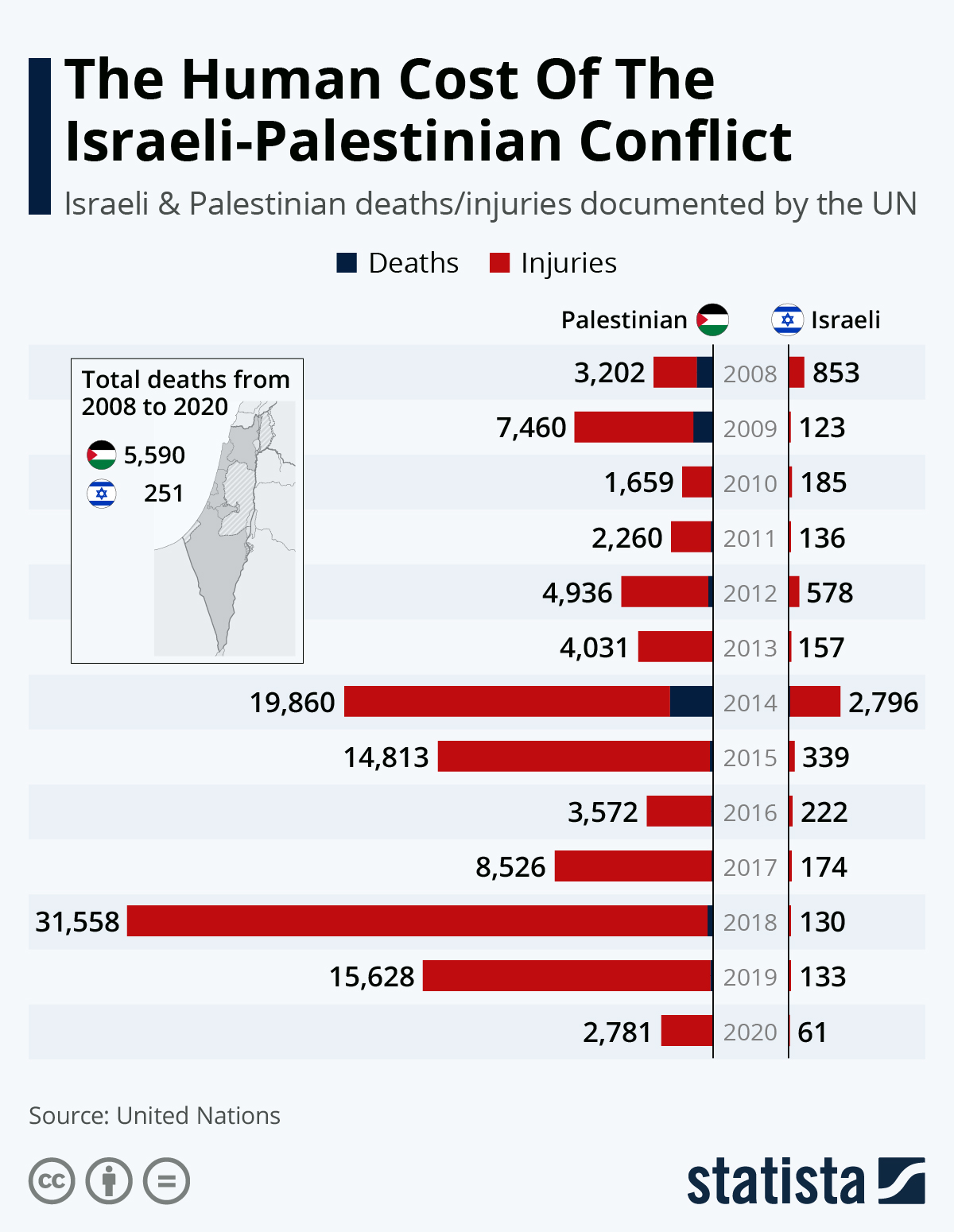 Another poem that stood out to me in a significant way was “We Shoot Children Too, Don’t We?” by Dan Almagor, an Israeli poet. The poem is a powerful and emotional reflection on war’s violence and tragedy, particularly the impact of war on children. It is a work that draws attention to the innocent victims of war as well as the human cost of war. Most importantly however, is the emphasis on the blatant state hypocrisy that is occuring, by Almagor’s own nation, Israel. In Almagor’s writing, he is having a moment of self reflection regarding the actions of Israel, such as whether or not the actions are morally correct, shown in the lines “Who do we think we are? Who gave us the right?”. The hypocrisy of Israel is directly referenced in the title, where the writer is asking himself how Israelis can accuse Palestinians of causing suffering to their nation and people when they have been doing that to them for the last forty years.