
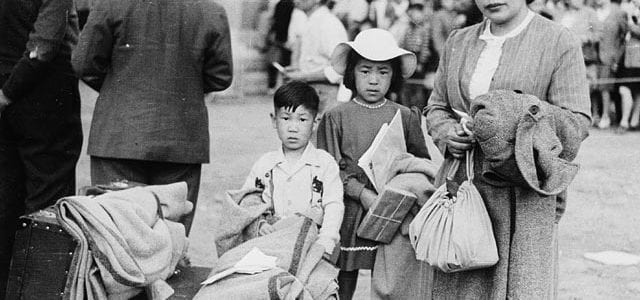

Assimilation is the absorption of a minority group by a dominant group. It has happened throughout history too many times to count — and only recently has our government taken action to reconcile its overlooked history of marginalization and mistreatment of ethnic groups. Canada’s reputation of being a melting pot of cultures and a catalyst for pluralism must be viewed through a broader lens, including the realities of people who have been historically silenced and oppressed. The acclaimed novel Obasan by Joy Kogawa is an eye-opening read that pledges to educate Canadians and recognize the wounds our country inflicted on the identities of Japanese Canadians.

The protagonist and narrator of the story, Naomi Nakane, is a part of the Sansei generation, which equates to third-generation immigrants. In post-war Canada, we learn that she is no stranger to adversity. Her family was displaced to several internment camps with immoral living conditions, her mother disappeared out of the blue, and she was molested by her neighbour, leaving her consumed by shame.
To shield herself from her tragic history, she follows the ideology of leaving the past in the past, using silence as her primary coping mechanism. However, this silence, initially intended as a protective barrier, also serves as a double-edged sword. Naomi becomes severed from a deeper understanding of herself and her identity, as she is bound to an endless cycle of suppressed emotions and unaddressed traumas. Therefore, readers are only exposed to a surface-level insight of Naomi’s character.

Naomi’s journey as a Japanese Canadian reflects the broader struggle of her community to reconcile with a history marred by discrimination. While enduring shaped Naomi into a resilient figure, she tolerates subtle racism and hateful comments from community members, reflecting a struggle to preserve her cultural identity while navigating a society that has marginalized her.
In contrast, Naomi’s brother Stephen escaped the abyss of cultural conflict by rejecting his Japanese background and succumbing to mainstream white Canadian culture. This method of integrating into Canadian society was the goal of our government- to eradicate all traces of Japanese heritage from the country to maintain their Eurocentric system of keeping white people in power. The shame Stephen feels for his culture is evident when he reaches adulthood and isolates himself from his family and anything Japanese-related.
It is interesting to view the impacts of assimilation from a generational standpoint, which demonstrates the gradual cultural erosion down Naomi’s family tree. Naomi’s grandparents, referred to as the Issei or first-generation, maintained their undying ties to their homeland despite living in Canada, embodying a traditional Japanese approach to life. The second generation, or the Nisei, attempted to find a balance between their Japanese roots and integration into Canada. However, as Eurocentrism dominated the nation’s structure at the time, they were forced to conceal parts of their heritage to avoid discrimination. At this stage, factors like language, traditions, and cultural practices began to wash away.
When looking at the bigger picture, Naomi’s fragmented memories appear to be a metaphor for the fragmentation of her culture. While readers have to piece together the broken timeline, Japanese Canadians can barely piece together the aspects of their culture that were severed by hate.

In conclusion, by unpacking the raw truth behind generations of silence and unspoken scars, as Joy Kogawa did with Obasan, we lay the groundwork for a future where empathy builds and rebuilds bridges within humanity. While we cannot change history, we can take accountability for our wrongdoings and grow into a country that is united in our values while truly diverse in our people.
_________________________________________________________________________________________
Image Citations:
https://spiritwest.com/blog-timeline/229-how-to-increase-distribution-in-a-fragmented-market
https://www.humanrightscareers.com/issues/what-is-cultural-assimilation/
https://www.soundonsound.com/people/why-love-silence

 In Chimamanda Ngozi Adichie’s Purple Hibiscus, the theme of adversity shapes the identity of its characters. Adversity acts as a catalyst for transformation, forging the identities of individuals in the story. Kambili Achike, the main character, has her identity undergo profound changes due to the adversity she faces within her family. The oppressive environment created by her father, Eugene, showcases the impact of adversity on shaping identity. Eugene’s strict religious beliefs and abusive tendencies impose psychological and physical suffering upon his family. This adversity forms the base of Kambili’s growth, influencing her thoughts and actions. The constraints imposed by Eugene creates a restricted world for Kambili, limiting her ability to express herself. However, as the story progresses, instances of adversity, such as Kambili’s stay with her aunt, bring a gradual shift in her perception. Her exposure to a different lifestyle, one filled with freedom of expression and a relaxed atmosphere, challenges her prior experience, igniting a desire for opportunity. Adversity not only affects Kambili, but also shapes the identities of other characters like Jaja, her brother. Jaja’s defiance against their father’s authority is a direct response to the adversity he faces within the family. His rebellious behaviour shows a quest for identity in the face of adversity, leading to his captivity in order to protect his mother.



 The book I am reading is called, “You Know I’m No Good,” by Jessie Ann Foley
 the point of being sent away from their families. But, they may be troubled in their own ways and the advice that the therapist gives Mia in this book could be helpful to anyone.
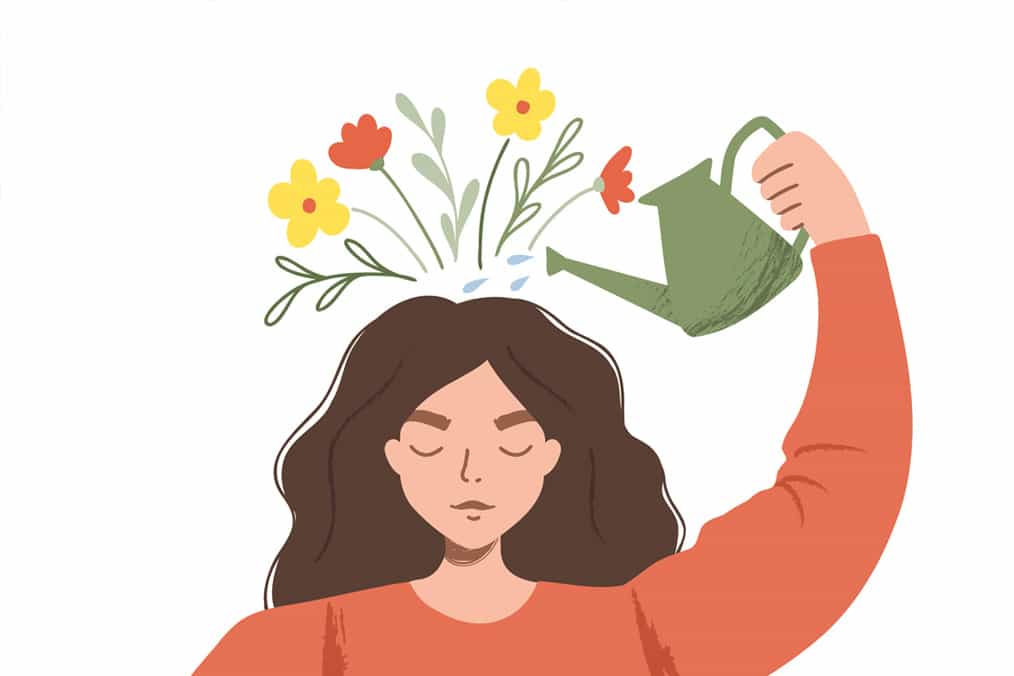 poor ones. Good friendships provide nurturing environments that allow people to learn from each other and build a strong support system. Good influences inspire others to make better and thought-out decisions. In the end, this helps others reach their goals and maintain a positive mindset. Mia Dempsey is a great example of how surrounding yourself with the wrong people most likely will have a bad effect on you. All in all, being friends with positive influences can not only enhance your personal development but also create a supportive community to help many more.
 children are trying to cope with the brutality of their surroundings . For example Amir and Hassan are two individuals in the book that faced these realities, when the conflict started to escalate they were forced to think and act like adults even though they were young and still had lots to learn about life. My final reason for the effects on children is how they are affected psychologically. The novel really explores how they are affected mentally because of war, this is shown through the character Sohrab who is the son of Hassan in the book, dealing with emotional wounds from the experience of war. They become sad and even have post-traumatic stress because of the violence they have witnessed through their young eyes.

 Through the process of Katie embracing her true self, her grandma often tells her stories of her past. This benefits the both of them as it helps Katie ignore societal norms, and accept who she is. On the other hand it helps Mary push through the struggles of Alzheimer’s and slowly recollect her memory.
 In the novel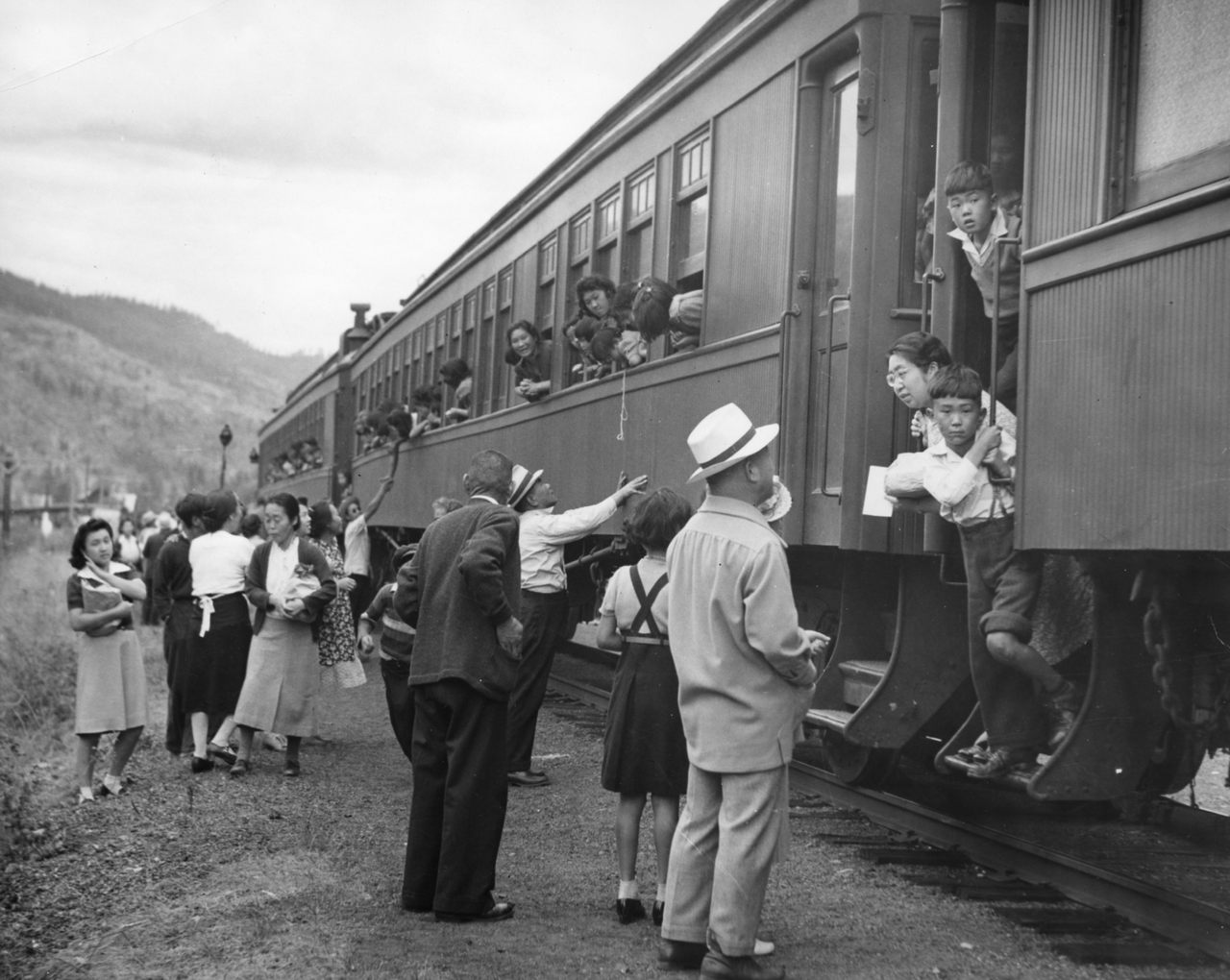
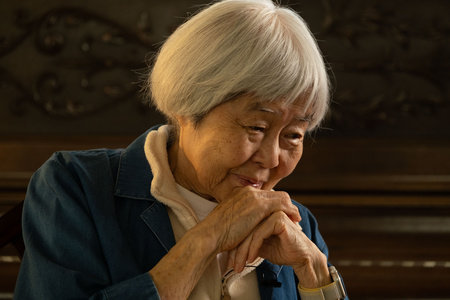

 In what I have read so far of the novel “Obasan” by Joy Kogawa, it is seen that the outside forces are affecting Naomi in who she is. Even though I have not read the full book, and as such do not know how she ends up, throughout the novel she changes as the internment starts and then goes on. For example, while her mom is still at home, Naomi is more there as a person. Then, later through the diary we learn that slowly as the internment goes by she becomes more quiet due to the difficulties and discrimination. Almost repressing herself with the pressures she is going through. As such she changes due to the external forces that are pushing her down.




 proud and earn a sense of admiration.
  relaxation and enjoyment. After the tournament, Amir’s dad decides to go on a big family road trip to Jalalabad, with extended relatives including cousins, uncles, and aunts. During the vacation, the dad on several occasions boasts about his son’s win at the kite tournament. While the dad was attempting to make Amir feel good and proud, it only made him feel revolted and sick because the recollection of the unfortunate event and his lack of interference took place in his consciousness. The guilt still lingered and ate at the boy, which took away from his chance to relax and enjoy his time with his family.
  and bravery to stand up for his best friend. He assumes that he can never raise a child successfully or be a role model. In this instance, Amir denies himself the opportunity of fatherhood and having a child.

