“It matters not what someone is born, but what they grow to be.”
-Albus Dumbledore in Harry Potter and the Goblet of Fire, J.K. Rowling
Harry Potter and the Goblet of Fire by J.K Rowling focuses on Harry’s journey competing in the Triwizard Tournament, a competition involving students from schools across the wizarding world. Throughout Harry’s journey, he learns self confidence is key to overcoming one’s fears, which restrains individuals from reaching their full potential.
This quotation, by Albus Dumbledore occurred during a conversation with Cornelius Fudge, when Fudge argued wizards were superior in comparison to humans. Dumbledore defended humans and responded with, “It matters not what someone is born, but who they grow to be”. Individuals should apply this quote to their lives as it is important for one to focus on themselves and not let failures or comparisons cause setbacks. People are only able to reach life goals if their attention is focused on themselves, rather than what others are achieving or receiving. In addition, self-doubt and fear of not being able to improve shouldn’t stop you from trying to reach personal goals.
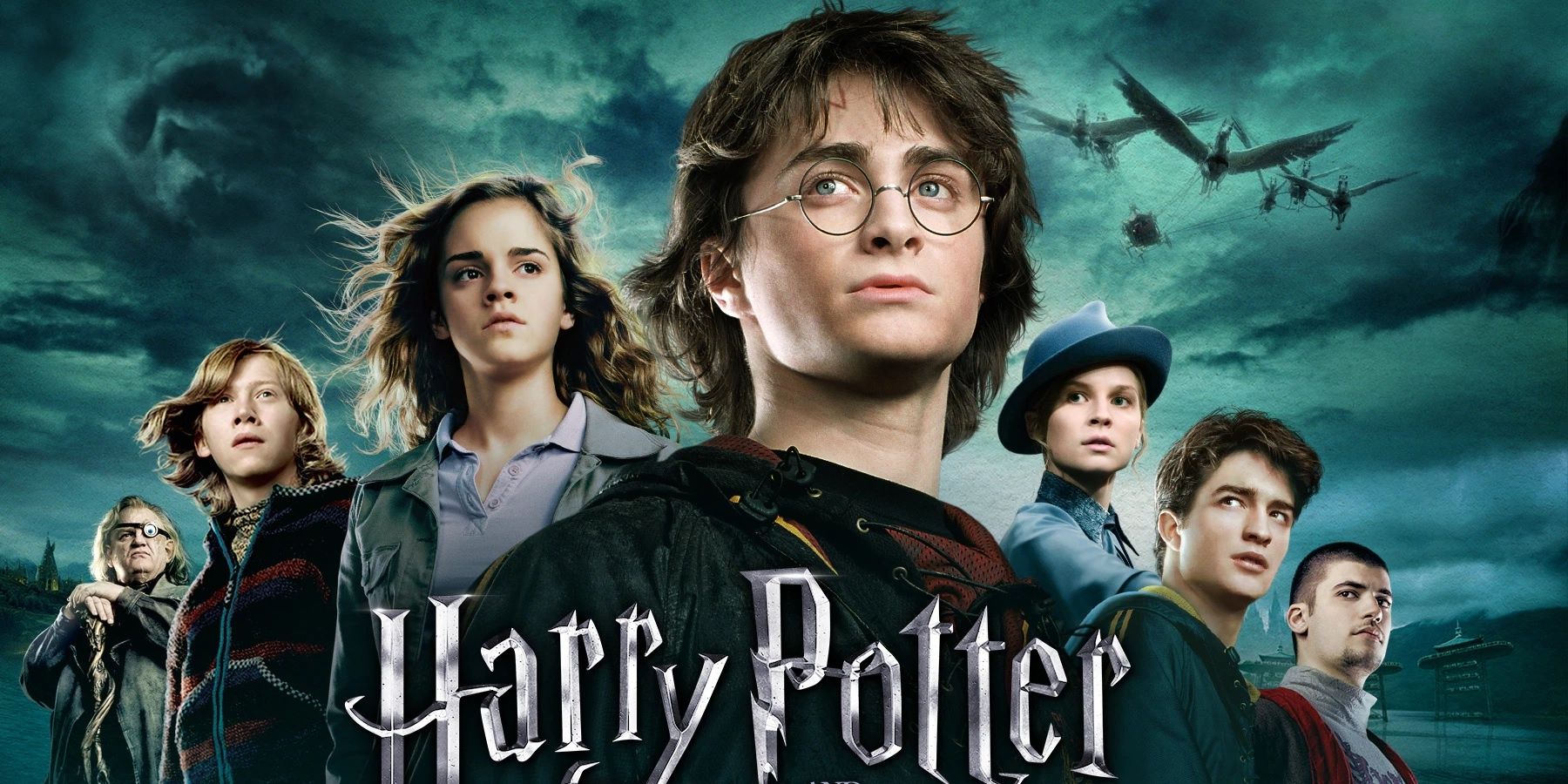
This quote is meaningful to me because I frequently compared my successes to others, which limited myself before I could reach my full potential. Learning that people aren’t born with everything is an important life lesson for individuals to learn. To this day, focusing on myself as well as my goals is a priority. When I first joined ball hockey, I compared myself to my teammates as they were able to control the ball much better than I could. However, I began to improve as I gained more confidence and I quickly learned comparing myself to others was doing more harm than good.
“Now that I knew fear, I also knew it was not permanent. As powerful as it was, its grip on me would loosen. It would pass.“
-Louise Erdrich, The Round House
The plot of The Round House, by Louise Erdrich revolves around Joe Coutts, a young boy, who became frustrated with the lazy investigation of his mothers attack. He decided to locate his mother’s attacker with his friends help. The Round House is set on an Ojibwe reservation in North Dakota.
This is an important quote for individuals to live by as fear shouldn’t cause limitations in one’s life. Fear, just as other states of mind, is not permanent and will eventually pass. People should not make decisions based on something this temporary. When people allow fear to consume them, worst case scenarios fill their minds, increasing self-doubt. Confidence is gained through the acceptance of fear, as it encourages them to try new things.

This quote is relatable to my life as I believe people should never be scared to try something new. The more people allow fear to control themselves, the more they limit and restrict their talents from flourishing. Last summer, my family wanted to go ziplining in Whistler. However, I was afraid of the heights and was unsure of going. My sister reminded me that this was a rare opportunity, which I should take advantage of. I thought about what she said and I soon realized that I would appreciate my decision in going. In the end, it turned out to be a good experience and I’m glad I decided to go. I realized my fear was temporary and after the initial scare, I wanted to go again.
Overall, these quotations reflect my values and beliefs when it comes to perseverance and self-confidence. Reading novels that incorporate inspiring quotations such as these, allow myself to reflect on my life and find ways to better myself. Applying quotes to my personal life motivates me to reach my goals and stay on the right path.
Citations:
- https://www.cbr.com/who-put-harry-potter-name-in-goblet-of-fire/
- https://www.nytimes.com/2012/10/14/books/review/the-round-house-by-louise-erdrich.html
- https://en.wikipedia.org/wiki/The_Round_House_(novel)#:~:text=The%20Round%20House%20follows%20the,Cappy%2C%20Angus%2C%20and%20Zack.


 One day one of the prisoners are let out and they see the outside world for the first time. The prisoner is enlightened by what he see’s and goes to tell his friends. When the prisoner returns to the cave to tell his friends about the true reality, they are skeptical and resistant to his ideas. They cannot imagine a world beyond the shadows they have always known.