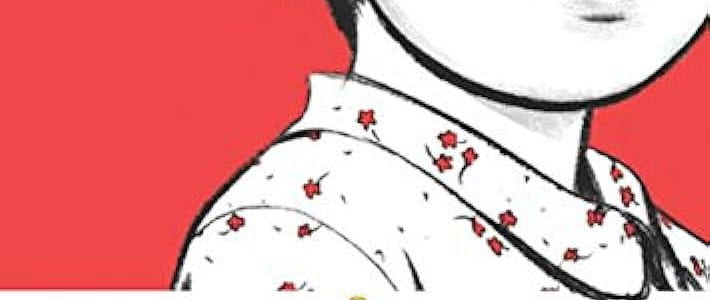
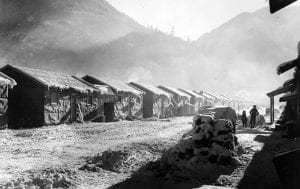
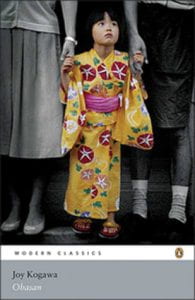
Obasan, written by Joy Kogawa, is an insightful novel into the horrors the Canadian-Japanese experienced during the Second World War, and how the history still shapes many of their lives years later.
The story follows Megumi Naomi Nakane, who as a young girl experiences the internment of the Japanese-Canadians first hand and how she grew up throughout such a harsh period of time. The story is told through a handful of Naomi’s perspectives starting the story off in 1972 with her uncle Isamu. Her uncle soon passes away and Naomi drives out to visit her Obasan (aunt/uncle’s wife). After a few chapters with Obasan the story then transitions to being told through a series of old letters and flashbacks. It is here where we are given the full story from Naomi’s perspective piece by piece until we return to the 70s for the final few chapters, still pondering the past events.
Though an important perspective and a powerful story, the novel can feel very run-on and unnecessary at times especially during the first half of the book. This is due to the writing style which the author has chosen to use. Throughout the story Kogawa writes in extreme and precise detail, outlining every aspect of the scene she’s describing. While useful for laying down exactly what the author wants the reader to know and picture, Kogawa tends to do this somewhat erratically, choosing to focus on some of the most mundane or insignificant aspects of a scene. This can be anything from a full page exclusively about the clutter of a kitchen fridge, to the patterning on a set of dishes used once in a single chapter. While one could look at this from a literary standpoint and say it shows the contrast of different ways Naomi and her family lived throughout the years, this unique usage of description can turn a reader away from the story due to how frustratingly time consuming it can be. The novel can feel slow and verge on boring thanks to Kogawa’s writing, which can be quite bothersome when trying to read a novel that tackles such a complex and painful subject. The use of flashbacks can also feel rather jarring at times, due to not always being certain as to where and when an event is taking place unless explicitly stated (which it often is fortunately). However, I did find that the impact certain points or ideas had would not be felt the same if the story were to be told in a linear fashion.
Though a tough read at times due to the author’s methodology, Obasan is an important story working to understand about how to live with oneself after an atrocity like the internment camps during WWII. In the end, I enjoyed this book, even if it isn’t for everyone. I would recommend it to any and all looking for a historical-fiction that delves deep into the personal and emotional aspects of how war changes even those not directly involved in it.
In Chimamanda Ngozi Adichie’s Purple Hibiscus, the theme of adversity shapes the identity of its characters. Adversity acts as a catalyst for transformation, forging the identities of individuals in the story. Kambili Achike, the main character, has her identity undergo profound changes due to the adversity she faces within her family. The oppressive environment created by her father, Eugene, showcases the impact of adversity on shaping identity. Eugene’s strict religious beliefs and abusive tendencies impose psychological and physical suffering upon his family. This adversity forms the base of Kambili’s growth, influencing her thoughts and actions. The constraints imposed by Eugene creates a restricted world for Kambili, limiting her ability to express herself. However, as the story progresses, instances of adversity, such as Kambili’s stay with her aunt, bring a gradual shift in her perception. Her exposure to a different lifestyle, one filled with freedom of expression and a relaxed atmosphere, challenges her prior experience, igniting a desire for opportunity. Adversity not only affects Kambili, but also shapes the identities of other characters like Jaja, her brother. Jaja’s defiance against their father’s authority is a direct response to the adversity he faces within the family. His rebellious behaviour shows a quest for identity in the face of adversity, leading to his captivity in order to protect his mother.
The pivotal role of Aunt Ifeoma, Kambili’s aunt, serves as a contrast to the adversity she faces at home. Ifeoma’s nurturing environment welcomes openness and curiosity, providing Kambili with a glimpse of an alternative way of living. Through Ifeoma, Kambili discovers her voice and gradually develops a sense of self outside the constraints of her father’s oppressive influence. Additionally, Aunt Ifeoma’s purple hibiscuses in her garden symbolize “undertones of freedom…a freedom to be, to do.”
Ultimately, the adversity experienced by the characters in “Purple Hibiscus” serves as a catalyst for their growth and self-discovery. It highlights the resilience of human spirit and the power of challenging unfortunate circumstances. Kambili’s journey, from a timid and obedient daughter to a young woman finding her voice, displays the impact of adversity on shaping identity.
In conclusion, adversity, as seen in “Purple Hibiscus,” plays a fundamental role in shaping the identities of its characters. It acts as a force that reshapes their perceptions, beliefs, and actions. Through their struggles, they discover strength, resilience, and the ability to free themselves in the face of adversity, ultimately contributing to a richer and more complex understanding of their own identities.
The “Kite Runner” is a powerful novel by Khaled Hosseini, that tells a story about two boys, Amir and Hassan, growing up in Afghanistan during a gruesome time of war. The conflict disrupts many lives, causing loss, and trauma for many individuals. The novel explores the theme of children being forced to confront harsh realities of their world, making them mature at a young age. Through the characters of Amir and Hassan, the story illustrates how war has a heavy personal and emotional toll on children that were in Afghanistan during these times.
Some ways in which “TheKite Runner” addresses the effects of war on children is loss and trauma. The characters in the novel, especially Amir and Hassan, experience profound loss and trauma as a result of war in Afghanistan. Families are torn apart, friends are separated, and children witness lots of violence that leaves ever-lasting scars that they will think back to everyday of their lives. Secondly, is loss of innocence, war forces tons of children to grow up quickly since they have to confront harsh realities. The novel shows this when children are trying to cope with the brutality of their surroundings . For example Amir and Hassan are two individuals in the book that faced these realities, when the conflict started to escalate they were forced to think and act like adults even though they were young and still had lots to learn about life. My final reason for the effects on children is how they are affected psychologically. The novel really explores how they are affected mentally because of war, this is shown through the character Sohrab who is the son of Hassan in the book, dealing with emotional wounds from the experience of war. They become sad and even have post-traumatic stress because of the violence they have witnessed through their young eyes.
In summary, “The Kite Runner” shows the lasting effects of war on children of Afghanistan. Which is shown through the perspectives of Amir and Hassan in the novel, the novel really focuses on the emotional wounds caused by the conflict.
I believe that education relates to the cave Plato talks about in the Allegory of the Cave. In the Allegory of the Cave, there are prisoners who are chained up and only are able to see the shadows on the wall. They never saw the outside world so their reality is this cave wall and warped shadows on the wall. The shadows can represent the limited knowledge they have about what is outside of the cave.
In school, we are confined to learning specific things determined by our teachers, the curriculum, and our grade level. We do not get the opportunity to explore our interests does not come until we are “released.” Even if we have no interest in a particular subject, we still need specific grades to fulfill our academic desires. For example, I am required to get a high mark in social studies even though my passion is in math and science. The knowledge I gain is limited to what my teachers present. I cannot even ask any questions and am just forced to believe what they are telling me is true. They teach me my reality.
Graduating from high school is our world’s way of being released from the cave. It allows us the chance to learn specific subjects that relate to our interests but, we are still fed the reality of our professors. Complete freedom only comes after graduating from university.
I am currently in highschool and my older brother, who will graduate from university in about two years. He tells me what I will not need to know once I am out of highschool. I have no choice but to ignore him because in my reality, I have to know this information right now. In my grade 11 curriculum, I am required to learn and study photosynthesis even if I lack interest in plants. This is much like how the cave people do not understand what the freed people who come back are saying.
I am absorbing a specific perspective and reality based on my teachers opinions and values. True freedom will not come until I graduate highschool or university.
In what ways does silence impact our lives? Every day we are faced with choices that lead us towards making decisions that we may or may not want to make. How we deal with these issues speaks volumes about who we are as an individual and how people, and the world, perceive us. Women have been silenced for hundreds of years and are no strangers to having their voices go unheard or ignored. The novel, Purple Hibiscus, by Chimamanda Ngoni Adichie, guides us towards the understanding that women’s voices can be heard through other channels other than the spoken word and that if one plays close enough attention, those unspoken words can speak volumes.
“Silence speaks louder than words”
The well-known saying, “Silence speaks louder than words” is exemplified in this novel. It is an underlying current that touches many characters throughout the book but none more than Kambili and her mother. They are both silenced by oppression in their own home, smothering their freedom to speak freely with each other. Kambili, especially, rarely speaks for fear of stuttering or saying something that might anger her father. She is unable to speak words about the horrifying truths that happen at home, behind closed doors, fearing the repercussions to herself, her mother and her brother, Jaja. She communicates with Jaja throughout “the language of the eyes” out of the fear that she will upset her father. Kambili has learned to use this silence as a way to get back at her father, using it as a source of strength to defy her father. “What has gotten into you?”Papa asked. “What is wrong with you?” I lay on the floor, curled tight…The kicking increased in tempo…I curled around myself tighter. This small excerpt from the novel gives us an inside look at the abuse Kambili faced at the hands of her father but also shows us how she has the ability to use her silence, the lack of action to the violence, as a show of strength towards her abuser. She is not only silenced by the expectations of her father, but also because of her gender and societal pressures in addition to the censorship and tensions of her country and its corrupt government.
Kambili’s mother is also forced into silence by the abusive behaviour of her husband, Eugene. She says “there was an accident” and she has had a miscarriage. We learn that because Mama was not feeling well and did not want to visit with the priest, this enraged her husband enough that he beat her so severely, causing her to lose the baby. Her fear for herself and the safety of her children weighs heavily on her shoulders but her circumstances and time prevent her from breaking free from Eugene’s tyranny. The family dynamic centers around the sporadic violence and terror spread by Eugene when he feels that something is sinful or when someone is acting disobedient in his eyes. His strict rules and schedules only force the family to walk on eggshells for fear of extreme punishment. We see that for both Kambili and her mother, Eugene is the main contributing factor for their silence.
Kambili and her mother are not the only people who are forced into silence, Eugene also suppresses those who do not hold the same political view, religious beliefs, and worldview as he does. He stifles Jaja’s growth by forcing him to follow in his footsteps and makes him fearful for not aligning with his ideals. This is evidenced when he speaks the words, “Have you no words in your mouth?” he said entirely in igbo. A bad sign. He hardly spoke Igbo,…he did not like us to speak it in public,…We had to sound civilized in public,…We had to speak English.”
He alienates his own father, Papa Nnukwu, referring to him as a heathen for not adopting the same religious beliefs and moral values as him and shows him much disrespect for holding and following Igbo traditions. Ironically enough, Eugene, too, was trying to be silenced, by the politically corrupt government of Nigeria, by sending and subsequently acting on threats towards his newspaper, The Standard.
While the novel, Purple Hibiscus, portrays silence, we cannot truly call it a silent novel. At the onset of the story, silence results from oppression and a sense of powerlessness but eventually works towards hope, peace and freedom. Adichie does an excellent job of giving Kambili a voice through her written words. As the book is narrated in the first person, this allows us to hear and feel Kambili’s thoughts, thus giving her a voice, just not in the way the reader had expected. She struggles to express her feelings because of her trepidation, stemming from the violence at home, but through the narration, she voices her ideas and emotions, vocalizing her thoughts, which allows the reader to struggle with her; to feel her reality. She is certainly not as outspoken as her Aunt Ifeoma or as confident as her cousin Amaka, “I watched her every movement she made; I could not tear my eyes away. It was the fearlessness about her…”, but with their love and support, Kambili learns to open up, trust in herself, and share her experiences, which enables her to find a new way to make her voice heard.
Referring back to the saying, “Silence speaks louder than words,” we can see that this novel truly exemplifies how women are able to break the silence, become stronger, change their circumstances and uncover new ways to be heard. Women need to find their inner strength, which will enable them to work through their silence and find their voice. Our society also needs to learn to listen for what is not spoken, to truly see what lies beneath, then once we can see afresh, we will have the ability to overcome our obstacles and speak our truths, enabling one to uncover their true selves.
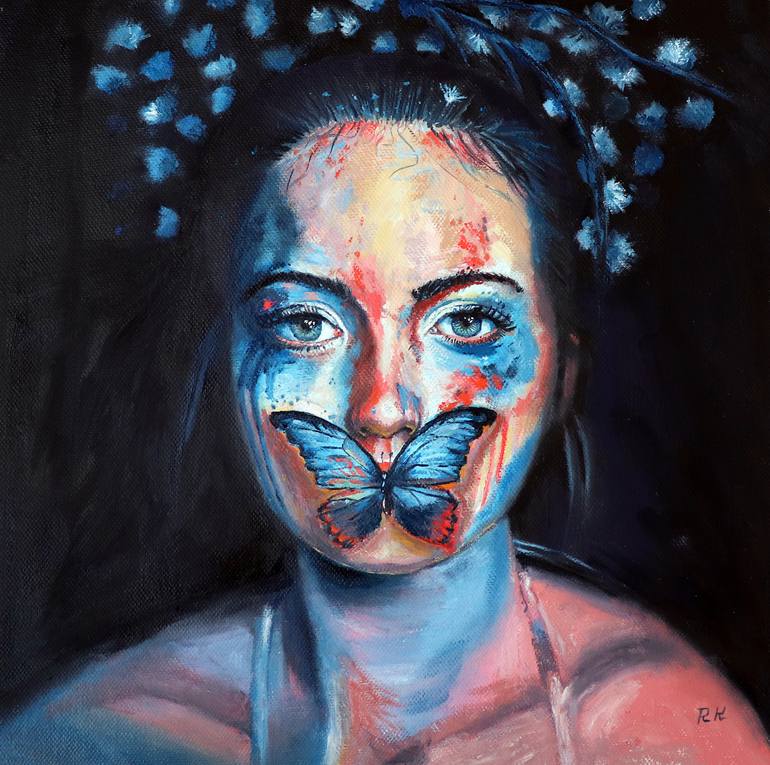
There have been many times in my life where I felt my voice was being overlooked. In these particular times, my words were loud, clear, and powerful, yet no one seemed to notice. I have always had this feeling that what I said didn’t matter to others, whether it was because of how I looked, how I acted, or how others saw me. I cannot begin to count the number of times I have had an idea and never said anything due to the fact that I had been shut down every other time in my life. Something that I will never forget happened in the eighth grade, when we had a group assignment in one of our classes. It was a physics lab and I knew exactly what I was doing and was ready to help my group succeed. I began to state my thoughts and ideas when suddenly a boy stopped me and asked everyone else in the group what they thought we should do. I was very much open to hearing everyone’s ideas, but after that, I was never acknowledged again. I was silenced, despite the fact that I had so much to say and offer. Having your voice taken away, especially in a situation where you feel passionate, is painful and till this day it makes me question what people see in me. Do I appear incapable? Why is my voice not valued? What am I missing?
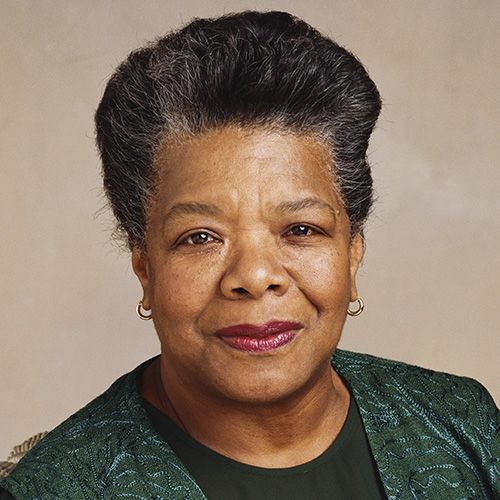
“I Know Why the Caged Bird Sings,” is a very powerful and deeply moving autobiography written by Maya Angelou. This is a story of her finding her voice which resonates with the readers on a deep, emotional level. This book has had a profound impact on me and has left me with mixed emotions. It was truly heartbreaking reading about how she experienced discrimination, trauma, and abuse at the same time it was an eye-opening read. I found it fascinating how she was able to put what she had been through in a poem, it was beautifully written with the complexity of her emotions stated throughout the poem. As we researched this poem was also an educational piece mainly targeted for others to witness and go on her journey of resilience. I noticed one of the main themes of this poem is empowerment and healing. She also finds comfort in poetry and telling her story, this resonates deeply with me as I see the potential of how transformative literature can be. Despite the challenges Maya Angelou faced she doesn’t believe in silence as an option. It was admirable to see her determination to rise above all the hardships she faced and use the power of her voice to prove that we all have strengths within us to overcome. Her experiences are a reminder to us that we need to speak up when its need and to reflect on our own roles in trying to fix the imperfections and unjust things in the world. This poem and researching more about Maya Angelou’s story have inspired me to embrace my voice and confront challenges that come my way to the best of my ability.
“The Siren Song” by Margret Atwood has similar themes and messages to “I Know Why the Caged Bird Sings” despite being in different forms and different contexts. In both poems, the concept of imprisonment and freedom was shown. The caged birds were depicted to represent Maya’s personal experiences of oppression and discrimination, the bird helped symbolize self-expression. In “The Siren Song, ” Margaret Atwood presents mythical sirens as trapped beings who use their voice to lure unsuspecting sailors. The sirens and caged birds are wanting freedom and use their songs as a means of escape. Both poems end up evolving into themes of power and having an impact on others in positive matter. Maya’s autobiography highlights the power at play in a racially segregated society where people of color aren’t given the same opportunities and in “The Siren Song” the sirens’ power lies in their ability to manipulate and seduce others through the irresistible song. A similar idea in both texts is the idea of voice and the way words can change people and sometimes their views. Maya’s journey was primarily to use her voice to reclaim her identity and in “The Siren Song” the sirens use their voice as a tool. It was interesting to see how the two texts were so similar yet so different.
In conclusion, both poems share common themes of imprisonment, freedom, power dynamics, and the transformative nature of voice.
When reflecting on the poem “A Child Before A Mirror Of Strangers”, written by poet Wole Soyinka, childhood is a major theme that comes to mind. More specifically, how adults tend to neglect their childhoods all together. I have come to the realization that this is something I have become victim to, as I too look past my childhood. Reminiscing on this time in my life has become irrelevant and I have pushed aside fun for responsibility. Sometimes it seems as if there is no other option. With the constant repetition of the words “as if”, in this piece of literature, this feeling begins to intensify. Soyinka creates an almost accusatory tone that made me feel as if I was the cause for the loss of my own childhood and the memories obtained from it, which in some cases can be considered true.
I remember being young and wishing I was older. Wanting to do everything I saw the bigger kids doing and wanting to be grown up. It wasn’t until I grew up that I realized how precious my childhood really was. After investigating even further, I have come to notice that this is a trend in kids’ behaviours: the feeling of wanting to grow up. It can be suspected that, for a lot of kids, this way of thinking is caused by social media. This was a huge factor when it came to my own development. I was raised in the time when apps like Instagram, Youtube, and other streaming platforms became popular. I was exposed to expectations and social standards at a very young age, a lot like the majority of us. When you’re young and still developing mentally, exposure to these types of sources are sure to have an impact on how one sees the world and themselves. We force ourselves to believe that we should act more “mature” or make ourselves look older just so we match what we see on a screen.
It is funny to think about how things have changed. Instead of wishing to be older, I wish I could go back in time and do it all over again. I want to have the privilege of being free from responsibility and just allow myself to be a kid. I had so much more time to be a child than what I gave myself and this is something I will regret for years to come. This poem made me understand the importance of childhood and how it is something that must be cherished rather than neglected. Our childhood is what shapes us as people and overlooking these principle years of our lives is only a mistake. Growing up is a part of life but it is not something that should be rushed.
“Caged Bird”
Caged Bird, a poem written by Maya Angelou, depicts the differences in two birds’ lives. One is free to do as it wishes, flap its wings into the sun’s light, and enjoy the sky, when the other is confined to a cage. However, despite this one bird’s anger towards his “wings being clipped” and his “feet being tied” he sings a song. He sings while fearing the unknown but at the same time desiring it so deeply. He longs for freedom and although his song is heard, he knows that it is only even noticed as a background noise. Such contrast between the two birds and their lives makes one wonder, why does only one bird deserve freedom? What is the difference?
Maya Angelou, a woman of colour, wrote this poem to display how her wings have been clipped and her feet have been tied in the real world. Her own cage and confinement stems from discrimination and racism that she has faced all of her life and all because of the shade of her skin. No matter how hard she sings or cries her voice is overlooked and her desire for true freedom is never achieved. Though her “song” may not be heard she has such a desperation for freedom that her voice continues to sing, for freedom is something every individual deserves no matter the colour of their complexion.
I too understand this feeling of not being listened to. Even when in a room filled with people it can feel as if your mouth fails to make a sound. However, I have not experienced this to the same extent that a large number of the world’s population has. I am not a victim to racial adversity but hearing the perspectives of someone who has experienced things that I will never have to go through is very enlightening. The amount of strength needed to speak out against discrimination demonstrates Angelou’s hunger for freedom and how necessary it really is in our society.
The poem “I Know Why The Caged Bird Sings” by Maya Angelou outlines the feeling of an individual whose voice is ‘caged’ or restricted by others, isolating them from the rest of society. Individuals are oppressed and marginalized by society due to a fear by the ‘free’ group of losing power over the ‘caged’ group. However, despite their dire circumstances, the oppressed will find ways to have their voices heard and make the most out of their imprisonment. Within the poem, Angelou skillfully presents the idea of retaining one’s voice while being silenced through an allusion comparing the two birds in the poem with society.
Maya Angelou’s experiences dealing with racism and oppression throughout her life were a clear inspiration for the creation of this poem. As an African-American woman, she was subject to racial segregation throughout her life within the United States along with hateful comments and barriers which restrained her opportunities in society. Within the group’s research of the author’s life, it is evident that the racism Ms. Angelou had to endure greatly hindered her self-worth and dignity growing up. Being initially abandoned by her parents along with the racism she endured from community members shaped her childhood in feeling subdued and isolated from the rest of the world.
She found an escape from the pressing issues in her life within the world of literature. Writing provided Angelou a voice for herself in the face of repression and provided the tools to break free from the feelings of confinement and humiliation. Her works provide Angelou with a medium to write and inform others about critical issues they may have not ‘heard’ or experienced before; such as racial and sexual oppression, loss, and love. Creating something to express one’s emotions and views are powerful devices in connecting with others and communicating a message to a wider audience.
Within the poem “I Know Why The Caged Bird Sings”, despite being trapped, the caged bird still sings in the midst of its imprisonment, demonstrated in the repetition of the lines, “His wings are clipped and his feet are tied / So he opens his throat to sing,” and, “For the caged bird sings of freedom.” The caged bird is physically confined within its cage, however, this limitation on its freedoms does not prevent it from singing its song of despair. Despite never having experienced life outside of its prison, the bird still longs for the freedom that others have. The juxtaposition of the two birds who are very much alike but with vastly distinct lives demonstrates the pointlessness of caging one bird but allowing the other to have its freedom. In the end, are they both not the same creature living opposing lives?
The bird’s song can be heard “on the distant hill,” demonstrating how its cries can be heard by others; however, just like in society, it is often ignored by those who could break the chains. In spite of this, the imprisoned bird holds the resilience to continue fighting and speaking out in the face of adversity; which can be seen as an allusion to many various struggles of oppressed groups throughout history. A connection can be drawn to Angleou’s life; who still created and wrote pieces of literature in order for her voice to be heard despite living in a society full of repression. She wrote this poem to express the experiences of Black Americans and to stress the point that freedom is something everyone deserves.
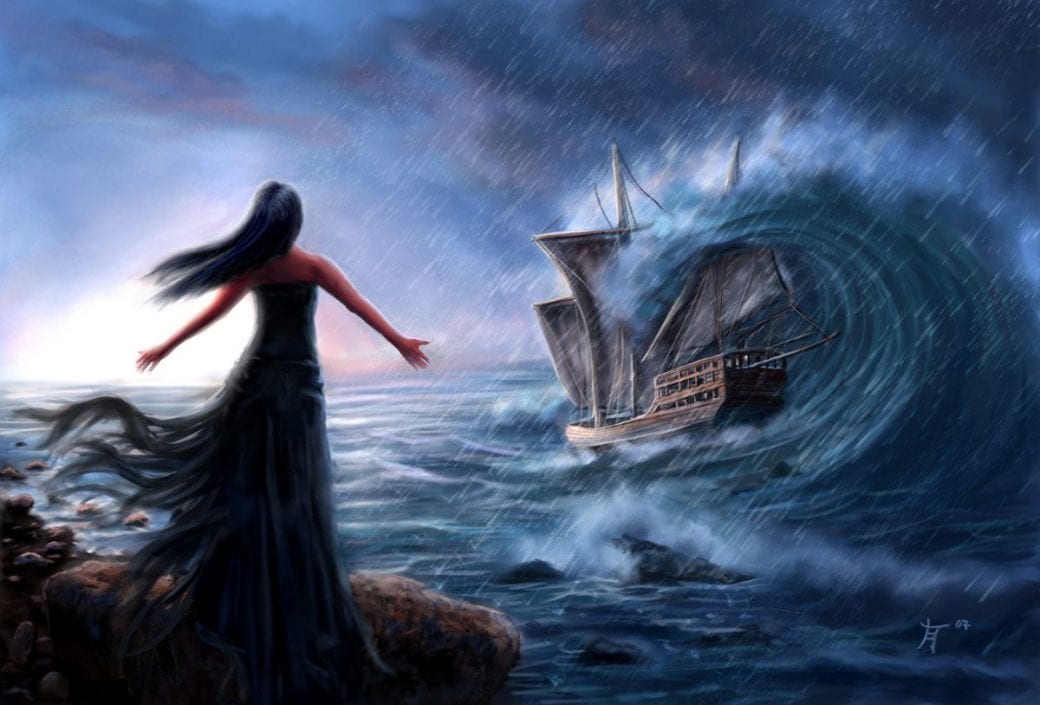
Ulysses and the Sirens painting by John Williams Waterhouse
Continuing on this discussion, Margaret Atwood’s poem “Siren Song” is another piece of literature which exemplifies the power one’s voice has in influencing others in spite of their confinement. The poem is told from the perspective of a siren expressing her desire to be free from her punishment but also acknowledging the power her voice has in manipulating others. Within Greek mythology, it is believed that the sirens were originally companions of the goddess Persephone and were tasked by her mother, Demeter, to search for Persephone after being kidnapped by the god Hades. The failure of the sirens to find Persephone and prevent her rape results in their punishment and exile onto a barren island; fated to die upon having a mortal pass them and resist the temptations of their songs.
The punishment placed on the sirens forces them to be something they do not wish to be, that being, murderous cannibals isolated from the world. Based on aspects of the mythology of sirens, it could be implied within the poem that they are driven by the curse placed on them to commit the actions they do, such as eating men to survive, despite not genuinely wanting to do it. Evidence of the dissatisfaction of the speaker, who is presumed a siren, is seen in the lines, “Idon’t enjoy it here / squatting on this island,” and, “It is a boring song.” They are forced into confinement, with the only ways out being equally destructive; either lure people to their island to eat them, or let the men go but subsequently die of the curse placed on the sirens. This internal conflict prevents the sirens from pursuing their true selves and traps them in a cycle of endless agony.
In spite of their physical and mental confinement, the sirens are not afraid to use their alluring voices for their own personal gain. The siren’s songs are described as, “the song that is irresistible,” driving sailors towards their doom in a false belief they are heading to save a damsel in distress. The manipulation the sirens are able to weave with their voices through compelling men to feel unique makes them vulnerable to unseen dangers. In this scenario, the danger for the sailors are the sirens who, are beautiful on the outside but plot murder on the inside. By using their talented voices, the sirens are able to maximize the situation they are in all while calling out to the world for an end to their imprisonment.
Throughout the years, I have too have felt as if I did not have a direct voice in a situation and chose to express myself in an indirect fashion. As an introvert, speaking up against an individual, especially one who is older or with a ‘higher’ status than me is often nerve-racking. My brain’s anxiety and unease when faced with having to converse with those I fear repercussions from or from strangers can be viewed as a sort of cage, pinning down my courage and thoughts. Also, another barrier which hinders my voice is how I fear what others’ viewpoints of me are. I partially seek the approval of others and I do not want to get into conflict with them if I could avoid it by keeping my silence. As a result, most of the time my feelings and opinions are just left bottled up inside of me, slowly taking their toll on my mental health.
I have begun to slowly open up more in recent months and express myself with less hesitancy, however, the mental cage which has built up around me will take time to fully disintegrate. Another way that I am expressing my voice to the world is through my art. Drawing out what I am feeling or on topics I am passionate about is a way to let out all the thoughts inside of me in an enjoyable fashion and can be used as a sort of visual journal for myself. In addition, art is a universal language that everyone can understand and interpret based on their own experiences; allowing for the artist’s initial message to be shared with a wide range of people.
Left: A painting I did this year on taking my twist at the painting Lament for Icarus by Herbert James Draper. Though not necessarily expressing my deep-dark emotions within this piece, it is a project I quite enjoyed working on and decided to share here.
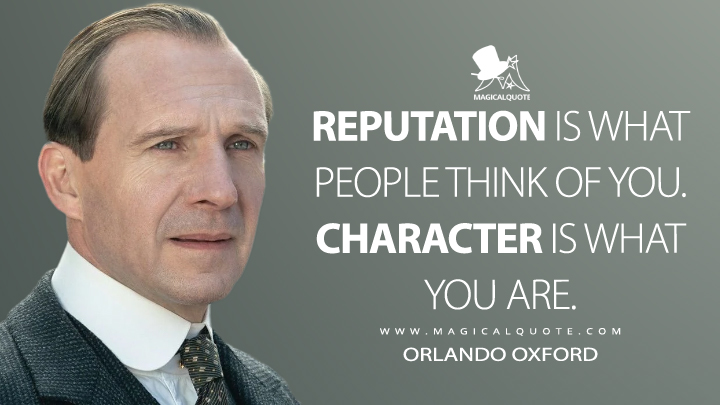
“Reputation is what people think of you. Character is what you are.”
– Duke of Oxford, The King’s Men
This quote comes from the movie The King’s Men, Directed by Matthew Vaughn. The context behind this dialogue relates to a time when Conrad Oxford, the son of the Duke of Oxford, speaks with his father in relation to how worried he is about the way he is viewed. He has been labeled as a coward and an unworthy man, however, the Duke reminds his son that people are not defined by their reputation but rather, they are known for their character. How others see you is not truly who you are, but who you chose to be is far more relevant. This is what people will remember you by.
The first time I heard this quote, I felt a very deep connection to it and its meaning. I used to be very conscious about how other people saw and perceived me, but I have now come to realize that I am my own person and that I can’t control the minds of others and what they think of me. I remember constantly watching my actions and the words I said, thinking that people might find me annoying or “too much”. In reality, I was just covering up who I truly was. I would be lying if I said I wasn’t a people pleaser.
Something that I have noticed about the world today is that our reputation holds great power over us. We hide our true identity in order to appear perfect and to fit in with the norm. However, who determines what is considered normal? Why must someone’s normal be everyone’s normal? If we think about it, we are all different yet unique in our own way. One’s reputation doesn’t last forever, but one’s true character can and will.
I have also come to realize that gaining acceptance based on a false reality is not worth the trouble. Although I have had some struggles with my reputation, I have since proven to myself and those who care and love me for me, rather than the words of others, that I am a good and amazing individual. I no longer live my life based on other people’s expectation of me; I am free to be myself without the fear of being judged by others. I have allowed my true character to shine though!
“Everyday we get more illegal”, by Juan Felipe Herrera, was a very interesting read and covered a topic I have heard a lot about but honestly haven’t thought much of before. Initially, I was confused when reading, the way it was written wasn’t like anything I’d seen before, so I had to re-read the poem a number of times before I began to truly understand what it meant.
I believe this poem represents the ability that people have to assign and take away the “humanness” from others. “Husband with the son the wife & the daughter who married a citizen they stay behind broken slashed”.
This line portrays the meaning quite well. The husband, the son, and the mother are separated from the daughter. The daughter who married a citizen is given her rights and freedoms, but her family is left behind. Everyone deserves equality, but in reality, only certain people have that privilege, which is the truth that Juan Felipe Herrera wanted to convey and let people know about.
—————————————————————————————————————————————————
The Israeli-Palestinian conflict has been a long-running and highly contentious battle for sovereignty that has lasted for over 74 years. It’s a really messed up situation that is happening over there, and any statements about it could rile up a large number of people. “We Shoot Children Too, Don’t We”, by Dan Almagor is one work that has likely done exactly that.
Dan comments on his own people’s horrible treatment of Palestinians. He recognizes that Palestinians are just like everyone else: they seek independence and wish to live in peace rather than throw stones at military personnel, and they seek freedom just like the Israelis did so many decades ago.
It just seems that the need for control and national pride blinds many people into committing crimes against others.
I thought this poem was an incredibly powerful statement: conflict and chaos will only destroy a country; for it to survive, it must maintain its sense of humanity. The two sides don’t have to be friends, but they certainly don’t have to be enemies. It may be easier said than done, but people just have to live and let live. Despite all that has been said, I don’t see this conflict ending any time soon. It’ll forever be a stain on human history, but that isn’t surprising because this world is far from clean.




 In Chimamanda Ngozi Adichie’s Purple Hibiscus, the theme of adversity shapes the identity of its characters. Adversity acts as a catalyst for transformation, forging the identities of individuals in the story. Kambili Achike, the main character, has her identity undergo profound changes due to the adversity she faces within her family. The oppressive environment created by her father, Eugene, showcases the impact of adversity on shaping identity. Eugene’s strict religious beliefs and abusive tendencies impose psychological and physical suffering upon his family. This adversity forms the base of Kambili’s growth, influencing her thoughts and actions. The constraints imposed by Eugene creates a restricted world for Kambili, limiting her ability to express herself. However, as the story progresses, instances of adversity, such as Kambili’s stay with her aunt, bring a gradual shift in her perception. Her exposure to a different lifestyle, one filled with freedom of expression and a relaxed atmosphere, challenges her prior experience, igniting a desire for opportunity. Adversity not only affects Kambili, but also shapes the identities of other characters like Jaja, her brother. Jaja’s defiance against their father’s authority is a direct response to the adversity he faces within the family. His rebellious behaviour shows a quest for identity in the face of adversity, leading to his captivity in order to protect his mother.

 children are trying to cope with the brutality of their surroundings . For example Amir and Hassan are two individuals in the book that faced these realities, when the conflict started to escalate they were forced to think and act like adults even though they were young and still had lots to learn about life. My final reason for the effects on children is how they are affected psychologically. The novel really explores how they are affected mentally because of war, this is shown through the character Sohrab who is the son of Hassan in the book, dealing with emotional wounds from the experience of war. They become sad and even have post-traumatic stress because of the violence they have witnessed through their young eyes.
:max_bytes(150000):strip_icc()/GettyImages-11410491702-07f03ccd0eb54d36a9b62212cd2f55a1.jpg) I believe that education relates to the cave Plato talks about in the
I believe that education relates to the cave Plato talks about in the  In school, we are confined to learning specific things determined by our teachers, the curriculum, and our grade level. We do not get the opportunity to explore our interests does not come until we are “released.” Even if we have no interest in a particular subject, we still need specific grades to fulfill our academic desires. For example, I am required to get a high mark in social studies even though my passion is in math and science. The knowledge I gain is limited to what my teachers present. I cannot even ask any questions and am just forced to believe what they are telling me is true. They teach me my reality.
:max_bytes(150000):strip_icc()/graduates-throwing-caps-1066324992-2000-c66181da679b46dab1f62f4b2fbe3e84.jpg)




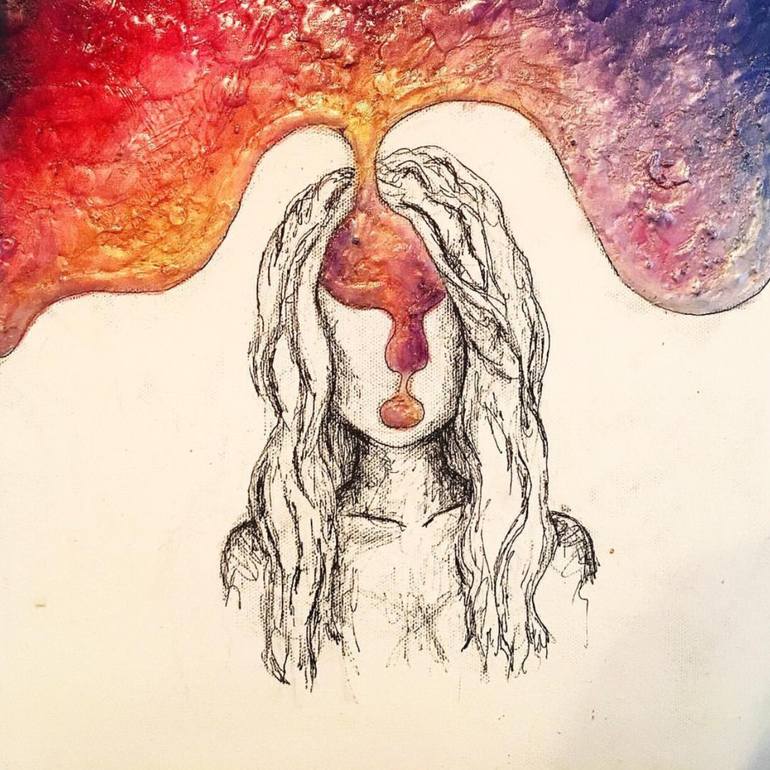
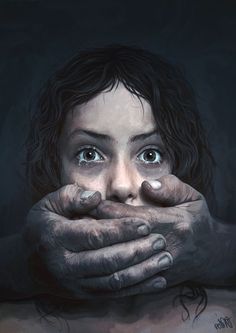 There have been many times in my life where I felt my voice was being overlooked. In these particular times, my words were loud, clear, and powerful, yet no one seemed to notice. I have always had this feeling that what I said didn’t matter to others, whether it was because of how I looked, how I acted, or how others saw me. I cannot begin to count the number of times I have had an idea and never said anything due to the fact that I had been shut down every other time in my life. Something that I will never forget happened in the eighth grade, when we had a group assignment in one of our classes. It was a physics lab and I knew exactly what I was doing and was ready to help my group succeed. I began to state my thoughts and ideas when suddenly a boy stopped me and asked everyone else in the group what they thought we should do. I was very much open to hearing everyone’s ideas, but after that, I was never acknowledged again. I was silenced, despite the fact that I had so much to say and offer. Having your voice taken away, especially in a situation where you feel passionate, is painful and till this day it makes me question what people see in me. Do I appear incapable? Why is my voice not valued? What am I missing?