
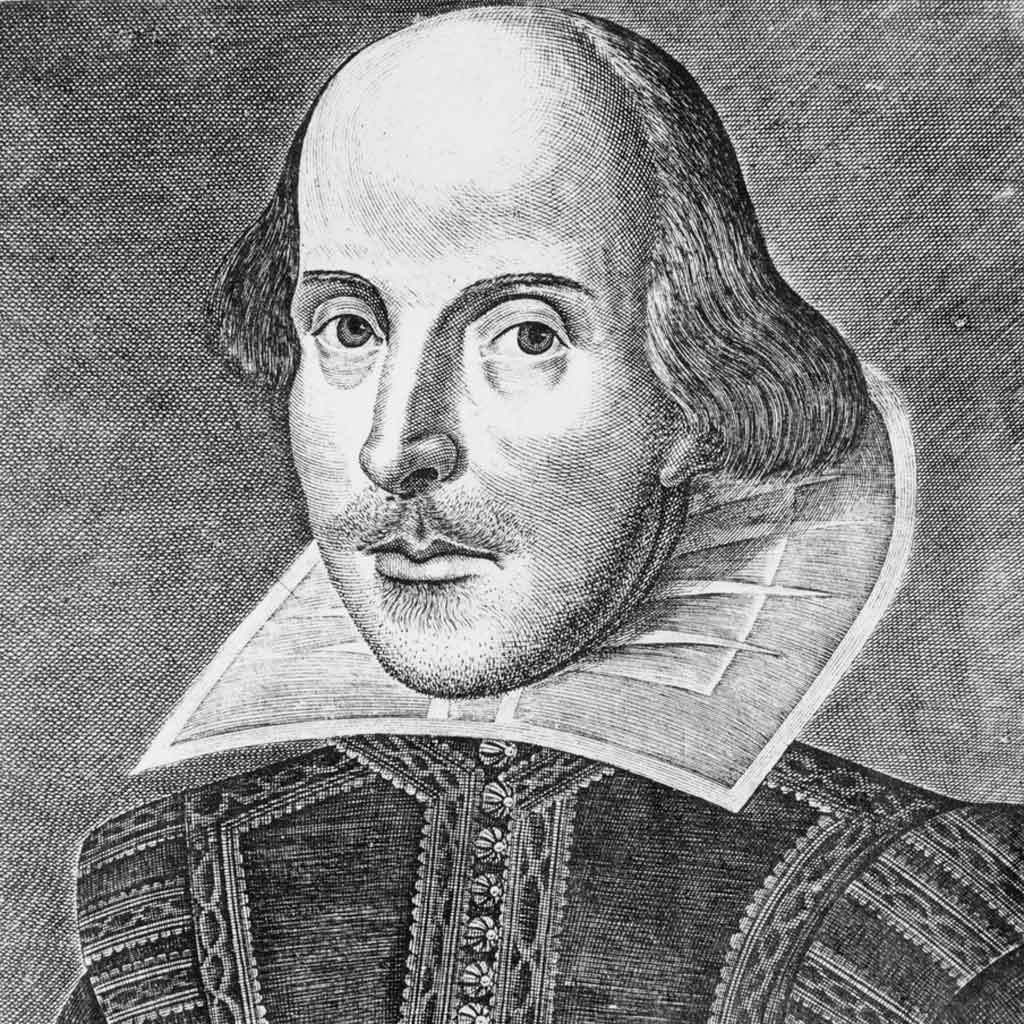
Shakespeare’s play Macbeth focuses on the interplay between the forces of good and evil leading to Macbeth’s tragedy. The play was written as a way to appeal to the current king’s paranoia on witches and the destruction they brought with them, or to make light of the situation, mocking him. For future context, Shakespeare’s Macbeth differs from the real one. The historical figure of Macbeth was the King of Scotland after Duncan’s assassination at aged 38, he ruled Scotland into peace and stability, being beloved by many of the people for 17 years. Nevertheless, Shakespeare’s story takes a darker approach, telling a story of tragedy due to ambition. In this blog, Macbeth’s internal conflicts and changing morals throughout the story will be discussed to give further context into the idea of how people become victims to themselves.


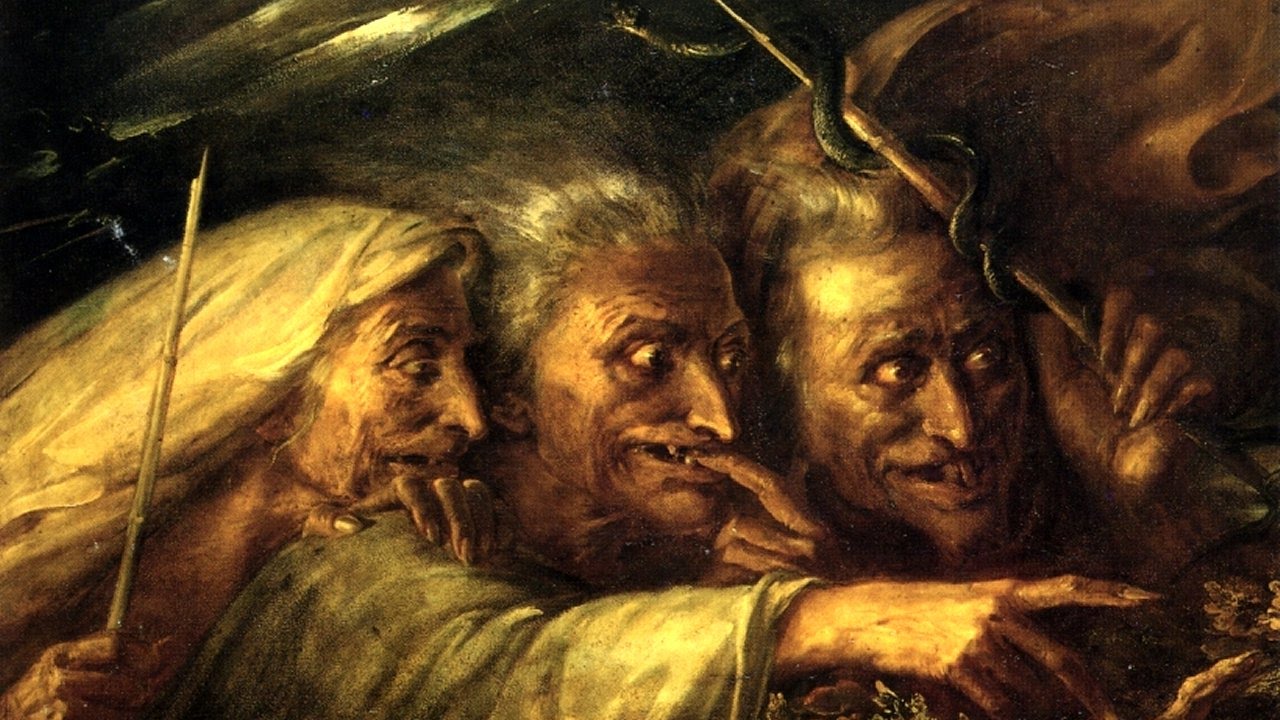
At the start of the story, Macbeth is merely mentioned. As an audience we pick up clues of his character and roles through the witches’ discussion and phrases such as,
“when the battle is lost and won,” and, “there to meet with Macbeth.”(I. 1. 4,7)
These quotes represent his importance in the story, and how he will win a battle currently being fought; foreshadowing his gallant nature. We then mainly learn of his qualities through a sergeant’s report of the battle to King Duncan. The sergeant says,
“For brave Macbeth–well he deserves that name—”
and Duncan says, “ O’Valiant cousin! Worthy gentleman! (I. 2.18,26)
These quotes reflect specific qualities of Macbeth such as: chivalrous, courageous, brave, and honourable. It also depicts his status and value; how he is loyal to the crown, and is beloved and trusted by everyone around him.

Towards the middle of the story, Macbeth’s intentions and morals begin to waver. After hearing the prophecy that he will become King, he immediately thinks of killing Duncan. As appalling as he may have found it, it shows how those actions are not out of his reach. Throughout the middle, he struggles between: his ambitions to become king and quickening the prophecies, and wanting to uphold his righteous morals correlating to his duty to protect Duncan. However, through Lady Macbeth’s manipulation and ridicule of his manliness when he decides not to kill Duncan, it ultimately forces him to commit the crime. Moreover, near the start of Duncan’s murder, Macbeth begins to represent the motif “appearances vs. reality” where he sees a floating dagger. This symbolizes and foreshadows his descent into insanity and greed.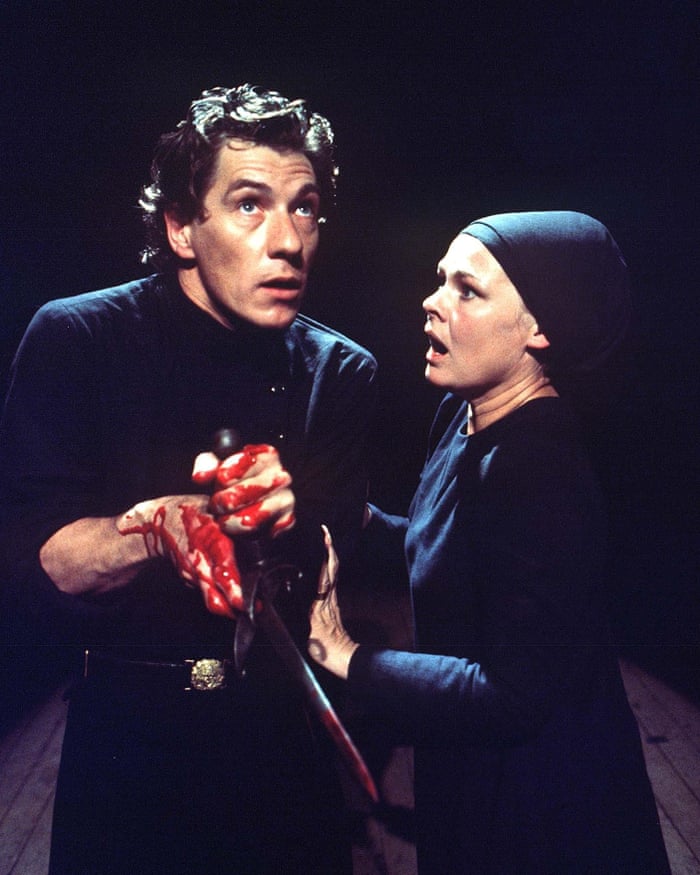
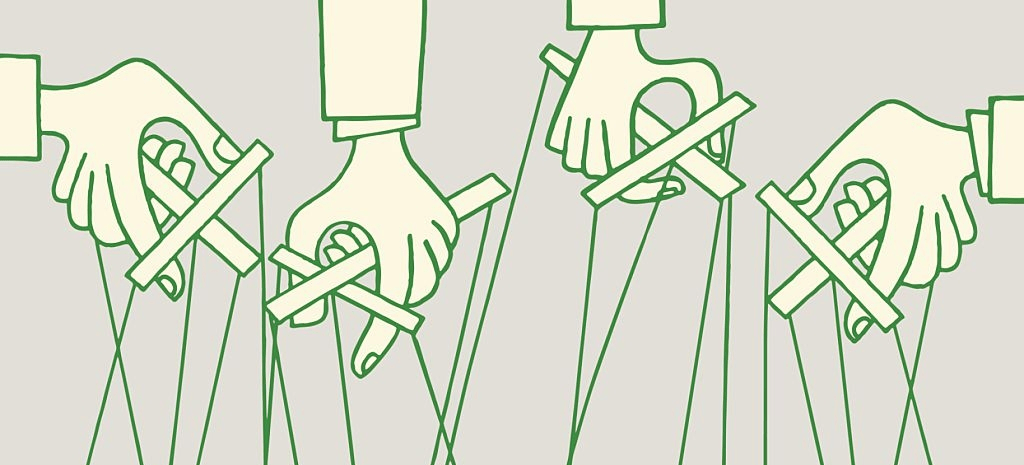
Macbeth’s final change in emotions includes both guilt and paranoia. He becomes consumed in his greed, striving to stay king forever. He lacks relationships around him, trusting only himself. His paranoia builds to the point where he murders anything threatening him, such as the witches prophecies to beware of Macduff; Macbeth then sends orders for his family to be killed. He is at the point of no return, with him stating,
“I am in blood / Stepped in so far, that, should I wade no more, / Returning were as tedious as go o’er” (III. 4.136–8).
This essentially means he has committed so many evil acts that his reputation and morals are poisoned; he
In conclusion, Macbeth depicts the tragedy of Macbeth. A man once regarded as honourable and loyal, turned into a tyrant full of greed by his own ambition. The guilt and blur between good and evil potent within him, eventually making him insane and paranoid. His confident nature due to the witches’ prophecies betrays him; therefore, leading him to be manipulated and pessimistic at the end. However, it begs the question, was Macbeth’s true downfall the act of his own self-ambition? Or the works of unnatural forces such as the witches?
/painting-depicting-macbeth-and-three-witches-92831818-b8191aeb54d54ff49368bcba8a81190e.jpg)
Bibliography
Kevron. Istockphoto.com. 2017. Evil Heart Stock Photos, Pictures & Royalty-Free Images – iStock. [online] Available at: <https://www.istockphoto.com/search/2/image?phrase=evil+heart> [Accessed 31 May 2022].
Katherine. Will Power. 2017. MACBETH: Who’s Who?. [online] Available at: <https://ohmyshakespeare.wordpress.com/2017/05/09/macbeth-whos-who/> [Accessed 31 May 2022].
Andrew Dickson. The Guardian. 2018. Is this a dagger dangling before me? Staging the strange world of Macbeth. [online] Available at: <https://www.theguardian.com/stage/2018/feb/26/dagger-macbeth-scene-christopher-eccleston-rory-kinnear> [Accessed 31 May 2022].
Bard Dev. The Real Macbeth. 2015. The Facts Behind the Fiction · The Real Macbeth. [online] Available at: <https://therealmacbeth.com/king-macbeth/fictional-macbeth/> [Accessed 31 May 2022].
Unknown. Biography.com Editors. Biography. 2014. Macbeth. [online] Available at: <https://www.biography.com/royalty/macbeth> [Accessed 31 May 2022].
The Battle of Culloden, 1746. Picture: Wikimedia Commons. Scotsman.com. 2017. The seven bloodiest battles in Scottish history. [online] Available at: <https://www.scotsman.com/arts-and-culture/seven-bloodiest-battles-scottish-history-1435345> [Accessed 31 May 2022].
Known. I.ytimg.com. n.d. [online] Available at: <https://i.ytimg.com/vi/s1xL83kATbw/maxresdefault.jpg> [Accessed 31 May 2022].
Venus. Pinterest. n.d. Castle | Character aesthetic, Crown aesthetic, Aesthetic. [online] Available at: <https://www.pinterest.ca/pin/castle–1031887333342717669/> [Accessed 31 May 2022].
Written by : Nicole