The Kite Runner Response

The Kite Runner Response

The book I am reading is called The Kite Runner. It goes through the childhood of Amir and Hassan and how they survived during the war. I am going to choose a prompt and respond to it using evidence from this book.

My prompt is: “What is the significance of the kite in “The Kite Runner (so far) and what deeper meaning does it have between the characters and their relationships?

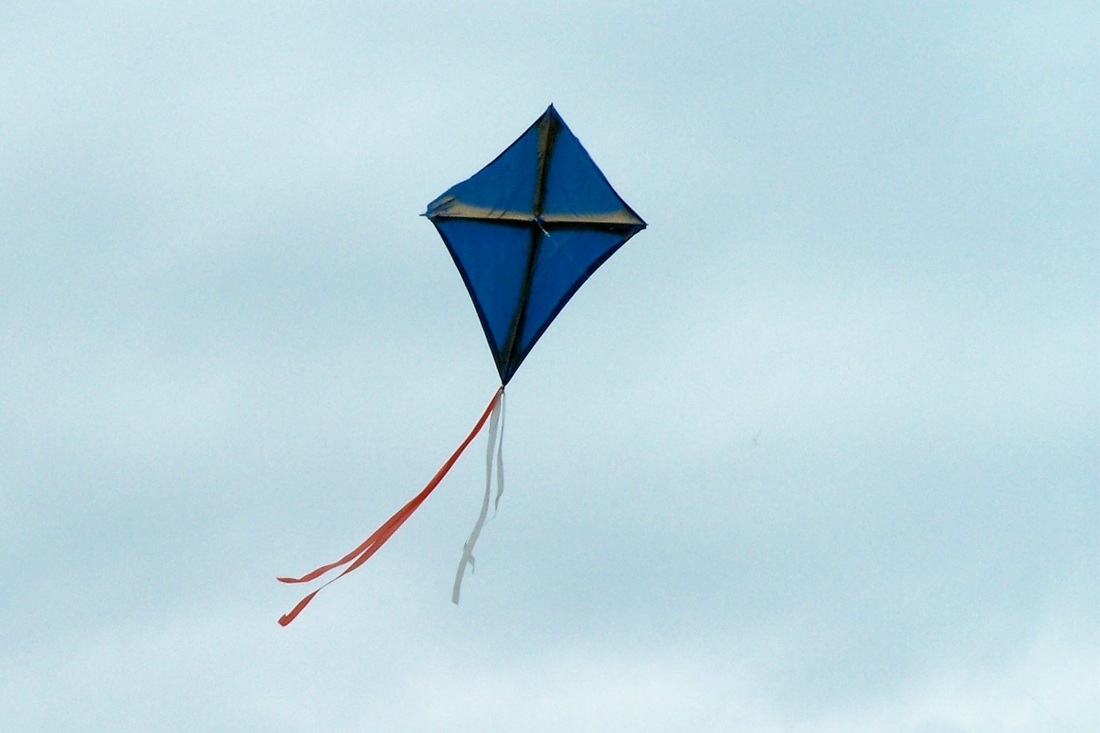
Symbols - The Kite Runner Project

In the initial stages of ‘The Kite Runner,’ the kite symbolizes both the innocence and the complexities of the friendship between Amir and Hassan. The kite-fighting tournament in Kabul becomes a pivotal moment that sets the tone for their relationship. The blue kite, emblematic of Amir’s desire for his father’s affection, takes on layers of meaning as it becomes entwined with themes of betrayal and guilt. The kite’s meaning changes as the story goes on in light of Amir’s efforts at atonement. His life becomes somewhat stable after he marries Soraya in America, but the resonance of the kite never goes away. Amir’s relationships and self-perception are still shaped by the memory of the kite-fighting competition, which acts as a symbol for personal development.

In this stage, Amir’s continuous search for atonement is symbolized by the kite. His unresolved remorse and desire to atone for his past transgressions are reflected in his recurrent nightmares about the blue kite. Amir’s story is woven with the concept of the kite, which links his time in Kabul with his current life in America and shows his redemption’s final phases.


16,456 Redemption Images, Stock Photos, 3D objects, & Vectors | Shutterstock


Major changes and Family

Major changes and Family

Unbecoming by Jenny Downham explores family relationships, highlighting challenges that come when faced with change. The protagonist in this novel is Katie, a seventeen-year-old struggling with the complexities of a family where her mother, Caroline, is very controlling over their lives. The unexpected arrival of Caroline’s strange, forgetful mother, Mary, begins a major shift in their family dynamic. The theme of handling change is prominent throughout the story.

Caroline’s struggle with placing Mary in a nursing home acts as a major cause of conflict and distress between the characters. The challenge of accepting this change is shown in frequent and heated arguments between Katie and Caroline. The addition of a new family member, accompanied by Katie’s personal identity problems causes her and other great stress.

When I moved houses, we moved to the opposite side of the city, all the friends I had made and the places I knew were now very far. At first, I had found it difficult to make new friends, often I did not have anyone to talk to. However, there was one constant in my life, my family. I realized, we were going through the same situations, we were there to support each other through this major change

Citations


Unbecoming: https://www.amazon.ca/Unbecoming-Jenny-Downham/dp/0545907179

Change: https://compsysplus.com/nothing-changes-if-nothing-changes/

The Importance of Good Influences

The Importance of Good Influences

You Know I'm No Good by Foley, Jessie AnnThe book I am reading is called, “You Know I’m No Good,” by Jessie Ann Foley.  I am about halfway through this book and it is about a teenage girl. This teenage girl is very troubled in ways like underage smoking and drinking, sleeping with boys without any meaningful connection, and punching her stepmom. All these activities got the main character Mia Dempsey into a boarding school.

I believe that it is hard to connect to a character like Mia. Not many teenagers experience being so bad toHeavy drinking and smoking can age you faster: Study | DD News the point of being sent away from their families. But, they may be troubled in their own ways and the advice that the therapist gives Mia in this book could be helpful to anyone.

Friends Clipart Images | Free Download | PNG Transparent Background - Pngtree

To many I would not be considered a troubled teenager as I get good grades, I play sports, I do not skip class, and I have a good group of trusted friends. I believe it is who you surround yourself with that makes you who you are. If someone is friends with many bad people they will be influenced by them. I have the luxury of finding a great group of friends with the same morals as me. Mia did not have many close friends but the people that she chose to hang around were definitely not good influences. They did drugs and drank often while also skipping class.

Being around others who are positive influences is essential to good personal growth. Individuals pick up the habits of who they spend lots of time with so it is very important they are uplifting habits instead ofWays To Improve Your Self Towards Personal Growth | Unlocked Potentials poor ones. Good friendships provide nurturing environments that allow people to learn from each other and build a strong support system. Good influences inspire others to make better and thought-out decisions. In the end, this helps others reach their goals and maintain a positive mindset. Mia Dempsey is a great example of how surrounding yourself with the wrong people most likely will have a bad effect on you. All in all, being friends with positive influences can not only enhance your personal development but also create a supportive community to help many more. 


https://www.google.com/search?q=smoking+and+drinking+bad&sca_esv=586493926&rlz=1C5CHFA_enCA935CA937&tbm=isch&source=lnms&sa=X&ved=2ahUKEwjUl5eW0-qCAxUENn0KHQMlB_EQ_AUoAXoECAMQAw&biw=1280&bih=715&dpr=2#imgrc=xeqbB0hPIww0rM&imgdii=orMHy6TgpKqkMM

https://www.google.com/search?q=friends+clipart&rlz=1C5CHFA_enCA935CA937&oq=&gs_lcrp=EgZjaHJvbWUqCQgCEEUYOxjCAzIJCAAQRRg7GMIDMgkIARBFGDsYwgMyCQgCEEUYOxjCAzIJCAMQRRg7GMIDMgkIBBBFGDsYwgMyCQgFEEUYOxjCAzIJCAYQRRg7GMIDMgkIBxBFGDsYwgPSAQoxOTU3NDNqMGo3qAIIsAIB&sourceid=chrome&ie=UTF-8#vhid=3E54ktFs_oSKNM&vssid=l

https://www.google.com/search?sca_esv=587515418&rlz=1C5CHFA_enCA935CA937&q=personal+growth&tbm=isch&source=lnms&sa=X&ved=2ahUKEwjyj8_Aj_SCAxVYFDQIHZjTB_QQ0pQJegQIDhAB&biw=1280&bih=715&dpr=2#imgrc=YeESGeQ_ntgIHM

https://www.google.com/search?sca_esv=587515418&rlz=1C5CHFA_enCA935CA937&q=you+know+im+no+good+book&tbm=isch&source=lnms&sa=X&ved=2ahUKEwjA-IT6j_SCAxVEGDQIHaVJDIEQ0pQJegQIDxAB&biw=1280&bih=715&dpr=2#imgrc=Yn6jCdp8KCoyIM

Kite Runner – The effects on children during the times of war.

The “Kite Runner” is a powerful novel by Khaled Hosseini, that tells a story about two boys, Amir and Hassan, growing up in Afghanistan during a gruesome time of war. The conflict disrupts many lives, causing loss, and trauma for many individuals. The novel explores the theme of children being forced to confront harsh realities of their world, making them mature at a young age. Through the characters of Amir and Hassan, the story illustrates how war has a heavy personal and emotional toll on children that were in Afghanistan during these times.

Some ways in which “The Kite Runner” addresses the effects of war on children is loss and trauma. The characters in the novel, especially Amir and Hassan, experience profound loss and trauma as a result of war in Afghanistan. Families are torn apart, friends are separated, and children witness lots of violence that leaves ever-lasting scars that they will think back to everyday of their lives. Secondly, is loss of innocence, war forces tons of children to grow up quickly since they have to confront harsh realities. The novel shows this when children are trying to cope with the brutality of their surroundings . For example Amir and Hassan are two individuals in the book that faced these realities, when the conflict started to escalate they were forced to think and act like adults even though they were young and still had lots to learn about life. My final reason for the effects on children is how they are affected psychologically. The novel really explores how they are affected mentally because of war, this is shown through the character Sohrab who is the son of Hassan in the book, dealing with emotional wounds from the experience of war. They become sad and even have post-traumatic stress because of the violence they have witnessed through their young eyes.


In summary, “The Kite Runner” shows the lasting effects of war on children of Afghanistan. Which is shown through the perspectives of Amir and Hassan in the novel, the novel really focuses on the emotional wounds caused by the conflict.


Unveiling Identity and Family Bonds

Unveiling Identity and Family Bonds

One of the central themes in “Unbecoming” revolves around the exploration of identity and the challenges an individual may face in breaking away from societal expectations. The novel follows Katie, a teenager trying to figure out her sexual identity, as she goes through a process of self-discovery. Katie’s journey mirrors the theme of unbecoming – steering clear of external pressures and societal norms to embrace her true self. Through Katie’s struggles, the book allows readers to reflect on the impact of societal expectations on personal identity and the courage required to defy these norms.

Additionally, the book dives into the dynamics of family relationships. The three generations of women – Katie, her mother Caroline, and grandmother Mary – each represent a different stage in life and a unique struggle with self-acceptance. The entwined narratives explore the ways in which family connections both support and set back the process of unbecoming. The novel allows readers to examine the influence of family on individual identity and the importance of understanding and accepting eachother despite generational differences.

Through the process of Katie embracing her true self, her grandma often tells her stories of her past. This benefits the both of them as it helps Katie ignore societal norms, and accept who she is. On the other hand it helps Mary push through the struggles of Alzheimer’s and slowly recollect her memory.


Ultimately, “Unbecoming” poses a question about the true meaning of authenticity and the lengths individuals must go to reclaim their genuine identity. As the characters confront their pasts and secrets, readers are prompted to reflect on their own journeys of unbecoming – the process of ignoring societal expectations, embracing individuality, and finding the strength to be yourself in a world that often imposes rigid standards.


https://images.app.goo.gl/BBtUoA6jHNmzGNb37

https://images.app.goo.gl/SGwHaG4pCd9oT9WK9

https://images.app.goo.gl/izrsTBNWY5tXAAVF6

https://images.app.goo.gl/MbtJ5rqvJU7X4iMv7

Symbolic Soar: The Kite Motif and Amir’s Journey of Redemption in ‘The Kite Runner’ by Khaled Hosseini

In ‘The Kite Runner,’ Khaled Hosseini uses symbolism, particularly the motif of kites, to illustrate the emotional journey and personal growth of the main character, Amir, framing the story with his persistent guilt and pursuit of redemption.


In ‘The Kite Runner,’ the symbolism of kites serves as a powerful metaphor for the main character, Amir’s, emotional journey and growth. The kites represent both the joys and the difficulties of his relationships, especially with Hassan. In the beginning, the kite-fighting contest represents Amir and Hassan’s innocence and togetherness. However, betraying Hassan during the competition leaves Amir with a strong sense of regret that follows him throughout the story.


The kite-fighting takes on new significance as the story progresses, as Amir tries to redeem himself by winning the competition years later. The chasing of the blue kite represents Amir’s search for redemption and his desire to make up for his mistakes in the past. The physical act of flying the kite, which he recalls from his youth, reflects his emotional journey towards forgiveness and forgiving oneself. 

“I looked up at those twin kites. I thought about Hassan. Thought about Baba. Ali. Kabul. I thought of the life I had lived until the winter of 1975 came along and changed everything. And made me what I am today.”

The soaring kites over San Francisco evoke memories of Amir’s youth in Afghanistan and the individuals he once knew. They represent his formative years, his longing for his father’s love and approval, the earnest attempts he made to earn that affection, his connection with Hassan,along with the act of betrayal towards Hassan,and the transformative experiences that shaped him into the person he is today.

”All I saw was the blue kite. All I smelled was victory. Salvation. Redemption.”

Every year, during the cold season when schools close, there’s a kite-fighting contest. Kite strings have broken glass, cutting rival kites loose. “Kite runners” chase them until the last one is declared the winner. Amir never won until this tournament, where he sends a blue kite into the sky. He thinks he’s won redemption for his father’s respect

Additionally, the severing of the kite’s thread and Hassan’s sacrifice represent the complexity of dedication and friendship. In this situation, the kites become a powerful representation of the consequences of betrayal and their long-term influence on relationships.

In conclusion, Khaled Hosseini effectively uses the symbolism of kites in ‘The Kite Runner’ to show Amir’s emotional development, from guilt and betrayal to redemption and self-discovery. The kites serve as a visual and emotional thread, connecting all the parts of the story and highlighting the life-changing effect of seeking forgiveness and making amends.


Citations:

Harris, Elizabeth A. “‘There’s so Much More to Afghanistan’: Khaled Hosseini Reflects on His Birthplace.” The New York Times, The New York Times, 18 Aug. 2021, www.nytimes.com/2021/08/18/books/khaled-hosseini-afghanistan.html. 

Newman, Bruce. “‘kite Runner’ Rises against the Wind.” The Mercury News, The Mercury News, 14 Aug. 2016, www.mercurynews.com/2007/12/09/kite-runner-rises-against-the-wind/. 



Unseen Beauty

Unseen Beauty

In the novel You Know I’m No Good by Jessie Ann Foley, Mia’s journey portrays the impact of feeling unnoticed and insignificant on her perception of beauty and self-worth. Her experiences, from observing the night sky to navigating interactions in her science class and harbouring a desire to rewrite her past, illustrate the intricate connection between a sense of insignificance and a distorted view of beauty and self-value.

How many stars are in the universe? | SpaceMia’s observation of the night sky serves as a powerful metaphor for her yearning to discover and embrace hidden beauty. Sitting by Lake Onamia, she marvels at the sky’s brilliance, wondering if the sight has always existed without her notice. “As I sit on that damp log, gazing up at the lacy pattern of inlaid pricks of fire, I can’t help but wonder if the sky has always looked this magnificent and I’ve just never noticed. It’s as if the most beautiful things are always the easiest to miss.” This observation hints at her realization that her feelings of insignificance might have clouded her ability to appreciate beauty. It reflects a deeper longing to uncover the unnoticed things in life, mirroring her desire to acknowledge her value in a world where she feels that it is unseen. Furthermore, her experience in the science class emphasizes her sense of being overlooked. Being the only freshman among senior students in an honours integrated science course, she starts questioning her teacher’s intentions, and wonders if she was put there with the intent to diminish her. “I was the only freshman in the class; I’d been placed there because of my test scores. No one really talked to me, not even my lab partner, Scottie Curry.” Moreover, she expressed a strong desire to go back to her freshman year, wishing for an opportunity to make different2,400+ Time Travel Clock Stock Photos, Pictures & Royalty-Free Images -  iStock choices that could lead to a more fulfilling life. “I would easily be able to get into any of those Ivy League colleges, too—if I could just get the chance to go back to freshman year and do everything all over again, differently.” It emphasizes her desire for recognition and a chance to redefine her value, shedding light on how feeling insignificant affects how she perceives herself in her life.

Ultimately, the novel portrays the intricate interplay between feeling unnoticed and a distorted perception of beauty and self-worth. Through Mia’s journey, readers are reminded of the transformative potential of self-acceptance and the importance of recognizing one’s worth even when feeling unseen. The narrative is a testament to the resilience and potential for growth when individuals acknowledge her significance, embracing her unique beauty beyond external validations.

Sources:
https://www.google.com/search?q=stars&sca_esv=587264773&rlz=1C1CHBF_enCA937CA937&tbm=isch&source=lnms&sa=X&ved=2ahUKEwiAn8bT1vCCAxXfMTQIHTjSBDEQ_AUoAXoECAIQAw&biw=1710&bih=976&dpr=1.6#imgrc=jXkfH7SyIlUFgM
https://www.google.com/search?q=clock+time+travel&sca_esv=587264773&rlz=1C1CHBF_enCA937CA937&tbm=isch&source=lnms&sa=X&sqi=2&pjf=1&ved=2ahUKEwit1uHy1vCCAxUoPjQIHZAWC0oQ_AUoAXoECAEQAw&biw=1710&bih=976&dpr=1.6#imgrc=gARoOg90K_XNvM
https://www.google.com/search?q=silhouette+of+a+girl+night+time&tbm=isch&ved=2ahUKEwig7r7H1_CCAxWAIDQIHZMFB1oQ2-cCegQIABAA&oq=silhouette+of+a+girl+night+time&gs_lcp=CgNpbWcQAzoFCAAQgAQ6BggAEAgQHlAAWO0PYPMQaAFwAHgAgAHAAYgBhAySAQQxLjEwmAEAoAEBqgELZ3dzLXdpei1pbWfAAQE&sclient=img&ei=sxlrZeDIMIDB0PEPk4uc0AU&bih=976&biw=1710&rlz=1C1CHBF_enCA937CA937#imgrc=dBRIrKYetQIupM


The Need to Belong In “Obasan”

Obasan | CBC BooksIn the novel Obasan, the book touches upon a horrific event in Canada’s history that has never been fully resolved to this day.  Obasan, by Joy Kogawa deals with the events of WWII in the battle in the pacific, between the United States, and Imperial Japan, and how Japanese Canadians were treated during these times of war.  This book talks about a woman named Naomi who works as a teacher, however we are not told much about her as a person.   However we know quite a lot about her family.  Her family moved from Japan and immigrated to Canada on the West coast in British Columbia before the first Great War. Her mother had disappeared back to Japan to care for her Grandmother, so she lives with her aunt, or her obasan in Japanese. Sadly her uncle and father have passed away, and her brother travels the world and doesn’t get to see his family.  While visiting her elderly aunt, she unlocks a trove of memories, a trove of memories best left forgotten, to prevent any more suffering.  However, a wave of haunting memories from her past during and after WWII as to how she and other Japanese Canadians were treated as outcasts, as enemies. 

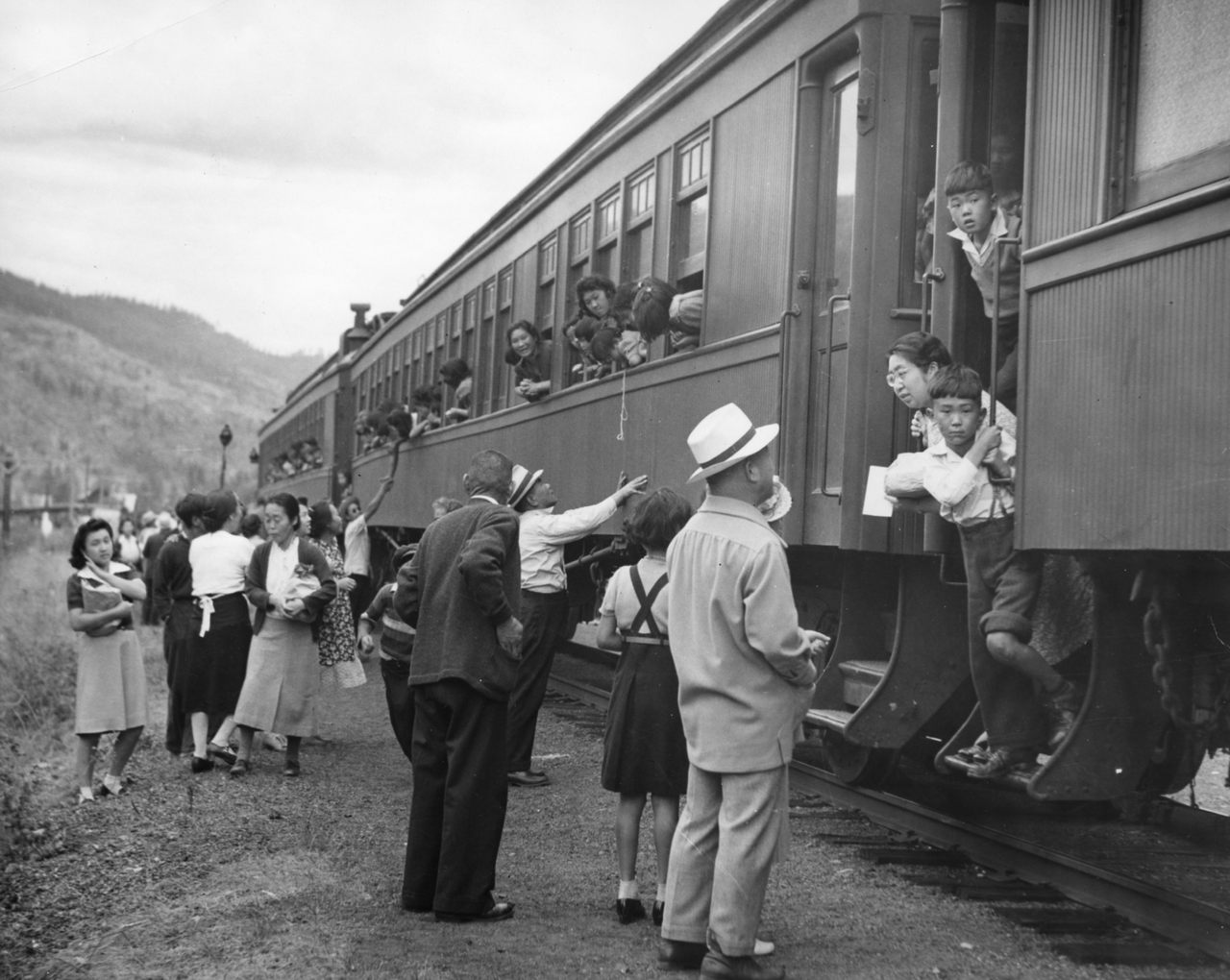
How Japanese Canadians Survived Internment and Dispossession - Atlas Obscura

Inside of the novel, the idea of belonging is a prominent underlying theme in the novel.  That theme is the need to belong, and what drives that need.  A big driver is the difficulty to feel accepted in a society where all of a sudden, you were portrayed as the enemy.  Their family always says that first and foremost, they are Canadians. However there is one group for belonging, and that was with other Japanese Canadians who had also experienced the harshness of internment. The internment and displacement itself was a motive to reconnect and find a place in which they can belong,  for example, Naomi and her family moved away to a host town named Slocan, separated from others.  Finally, the last big driver toward the idea of belonging is family.  During the novel, many people are separated, in Naomi’s case, her father was left behind due to his illness, and eventually he passed away.  Although this theme may be hard to realize at first, it is an incredibly important message about connection. 


Although I am only half way through the novel, Joy Kogawa describes the hardships faced by Japanese Canadians in its full entirety.  Not hiding anything, and being cut and dry with the horrible things done.  She shows the difficulty of belonging, and what drives that fundamental human emotion.

Obasan by Joy Kogawa | Penguin Random House Canada

https://www.penguinrandomhouse.ca/books/391033/obasan-by-joy-kogawa/9780735233706

https://www.atlasobscura.com/articles/japanese-canadian-internment-wwii

Sentiments With Obasan

Sentiments With Obasan


In what I have read so far of the novel “Obasan” by Joy Kogawa, it is seen that the outside forces are affecting Naomi in who she is. Even though I have not read the full book, and as such do not know how she ends up, throughout the novel she changes as the internment starts and then goes on. For example, while her mom is still at home, Naomi is more there as a person. Then, later through the diary we learn that slowly as the internment goes by she becomes more quiet due to the difficulties and discrimination. Almost repressing herself with the pressures she is going through. As such she changes due to the external forces that are pushing her down.


 The book so far, in terms of story, has been great.   I enjoy what the story is about and the pain it shows from the Japanese internment. However,  the writing style has really made the book more difficult to read. Sometimes, I will read a part and then re-read it as my brain did not fully realize what I just read. It also at points was confusing with what point in time it was being told from. As it would have a part in the past then the present, then the past again and it confused me a little bit. I also feel that the book would state too much information, to the point where it would be unnecessary and just cause me to lose interest at that moment. This caused the book to feel a lot more tiring to read than normal. Although, that imagery also helped make a picture in my mind of how the places look. I think it still could have done with better conciseness in that aspect. 

In the book there was also an entire section that felt kind of unnecessary. In the section Old Man Gower, from inference, violates Naomi. This, up to the point I am in the book, is not touched on again. It does not seem to affect her in any way really. When I would expect it to affect her in a much more deep way. Instead it feels that part could be omitted and the story would feel the exact same.


Citations:

Image – https://www.thecanadianencyclopedia.ca/en/article/internment-of-japanese-canadians

Image 2 – https://crosscountrymoversgroup.com/moving-mistakes/

Image 3 – https://www.homage.com.my/health/anxiety/

Featured Image – https://archive.org/details/obasannovel00koga


Resilience against discrimination

Resilience against discrimination

Obsan is a Novel written by Joy Kowaga which explores what Japanese Canadians experience during and after the events of World War 2. This book uses a mixture of present experiences and flashbacks to tell the story of Naomi and her family’s experiences, which can initially be a bit confusing. Still, it forces you to develop your reading comprehension skills which is beneficial. The main question that I got from reading this book to the point where I am now is how traumatic experiences like discrimination and racism affect the identity of the victims. Do they try to conform and get rid of their heritage in order to avoid discrimination or do they become even more proud of their identity and express it even more? All of these questions are answered in Obasan by Joy Kowaga.Canadian and Japanese FOIP Visions: Purpose, Form, and Practice - Canadian  Global Affairs Institute

Naomi Nakane, the protagonist of the story, reacts in a unique way to discrimination against her Japanese heritage and culture. So far her reaction to discrimination is shame and confusion. She is struggling to understand why her people are getting discriminated against and sometimes thinks that it is her fault even when it isn’t. She felt like she wasn’t Canadian or Japanese and had an identity crisis. “I was torn between two worlds, never fully accepted in either. The hyphen in my identity felt like a gaping chasm I couldn’t bridge.” It could be said that Naomi was very affected by the discrimination which caused her to have doubts about herself and her own identity. Another character who faced discrimination in Obasan is none other than Obasan herself (one of Naomi’s aunts). Obasan is a very resilient person who doesn’t let discrimination affect her, unlike other characters like Naomi. She chooses to stay silent and almost stoic when she is faced with discrimination. She stays true to her beliefs and doesn’t let others influence them. “It is as if there is a thickness, a hidden substance that surrounds Obasan and keeps her apart. A strange sort of armor, unseen and unfelt, but present. And she has brought it with her to this country. It is as if she is immune. Unhurt. Unwounded. This quote shows how Obasan stays strong and doesn’t let discrimination affect her. “The last character that I will reference is Naomi’s uncle who is also Obasan’s husband. Uncle Isamu, while being deeply affected by discrimination doesn’t let it affect how he sees his own identity. This way he keeps his cultural pride. He is very similar to Obasan in these ways. Uncle Isamu was also an advocate for Japanese-Canadian rights and participated in many legal movements to try and fight the issue. “We stand accused of being spies and fifth columnists. We stand accused of being traitors to Canada. We stand accused of having too much money. We stand accused of being thieves. We stand accused of being Japs. But Japs or Canadians or whatever, we are not the ones who are on trial. You are.” This quote shows how, while the discrimination affects him, instead of conforming or accepting how things are, Uncle Isamu fights against the issue to create a better future.

5 Ways Companies Are Boosting Workplace Resilience | Giva

With all of that, we can come to the conclusion that In the early stages of discrimination, one might let it affect how they view their own identity and maybe even try to conform to avoid discrimination, but as the individual experiences life, they will learn to resist the discrimination and stay true to their identity. We know this because Naomi is young and has doubts about herself while Obasan and Uncle Isamu have experienced a lot of discrimination and have learned to adapt and resist. As Naomi develops throughout the book and her life, she will also become resilient like her uncle and aunt.


Citations:

first image –

Google. (n.d.). Google image result for https://d3n8a8pro7vhmx.cloudfront.net/cdfai/pages/4618/attachments/original/1613512031/canadian_and_japanese_foip_header.jpg?1613512031. https://www.google.com/imgres?imgurl=https%3A%2F%2Fd3n8a8pro7vhmx.cloudfront.net%2Fcdfai%2Fpages%2F4618%2Fattachments%2Foriginal%2F1613512031%2FCanadian_and_Japanese_FOIP_Header.jpg%3F1613512031&tbnid=-3O9cBt9dU0pMM&vet=12ahUKEwjirI_8h-uCAxXqLDQIHXsrAvcQMygbegUIARCNAQ..i&imgrefurl=https%3A%2F%2Fwww.cgai.ca%2Fcanadian_and_japanese_foip_visions_purpose_form_and_practice&docid=E6XM91RHP0S1UM&w=1200&h=549&q=japanese+canadian+flag&ved=2ahUKEwjirI_8h-uCAxXqLDQIHXsrAvcQMygbegUIARCNAQ

last image –

Google. (n.d.). Google image result for https://www.givainc.com/images/workplace_resilience.png. https://www.google.com/imgres?imgurl=https%3A%2F%2Fwww.givainc.com%2Fimages%2Fworkplace_resilience.png&tbnid=tuKnqWdmhGvzRM&vet=12ahUKEwiK7bOGh-uCAxWCDzQIHQdJAvgQMyg8egUIARDzAQ..i&imgrefurl=https%3A%2F%2Fwww.givainc.com%2Fblog%2Findex.cfm%2F2022%2F8%2F29%2Fhow-to-boost-workplace-resilience-in-the-workplace&docid=5hmEe1Ejk_OhsM&w=750&h=500&q=resilience&ved=2ahUKEwiK7bOGh-uCAxWCDzQIHQdJAvgQMyg8egUIARDzAQ