
What phrases, words, or segments of the poem stood out to you? What does it mean and how does it connect to the human experience?
The poem Lady Liberty, by Tato Laviera reveals the theme of freedom and unity. Laveria portrays the human condition of equality, liberation and freedom through the use of the motif of the Statue of Liberty. The poem personifies the statue of liberty as a living thing, and the suffering it endured during the harsh weather. When I first read this poem, I simply looked at its literal meaning, but when I reread the poem, I finally understood the metaphorical meaning. The poem illustrates how hard the struggle for freedom and equality is. After the Declaration of Independence, it was announced as the first step to freedom, however, it only applied to “white men” and not women or other “colors”. This text exemplifies the struggle for liberty and how hard it was for America to gain that. This poem has greatly educated us on not only the weaknesses of America but also the weaknesses of the global community. I have realized that such imperfections still exist in every nation, and that can be implied to individuals in a literary aspect. Realizing that not everyone is perfect and how we must reflect our past actions and change accordingly to that is well reflected in this text.

The poem mainly generalizes on the topic of equality and fairness, and how imperfections around the world exist. There are many significant words that highlight those key concepts, such as the line “discolored verses staining her robe,”. The discolored verses refer to the Declaration of Independence, and how it was considered to be the first act of freedom to the citizens of America. However, it only applied to “white males’’ and not women or any other race. Laviera uses the metaphor of the “verses staining her robe” to show how it damages Lady Liberty’s image, which is symbolic of damaging America’s identity as well. Another line that brought my attention, “hunger abounds, our soil is plentiful,” displays a major contemporary issue – imperfection – that still exists in the world. Laviera brings the message of how America has rich soil that can provide plenty of food, yet much of the world starves. He tries to convey a message of how America has the resources to help other countries, yet it doesn’t. I strongly believe that these two lines support the theme of imperfections the best, as it gives context about contemporary issues and how we were blinded by our own manifestation of being perfect. By focusing on those imperfections, we can grow to be better.
What is the significance of humiliation in the line, “That humiliation” ?
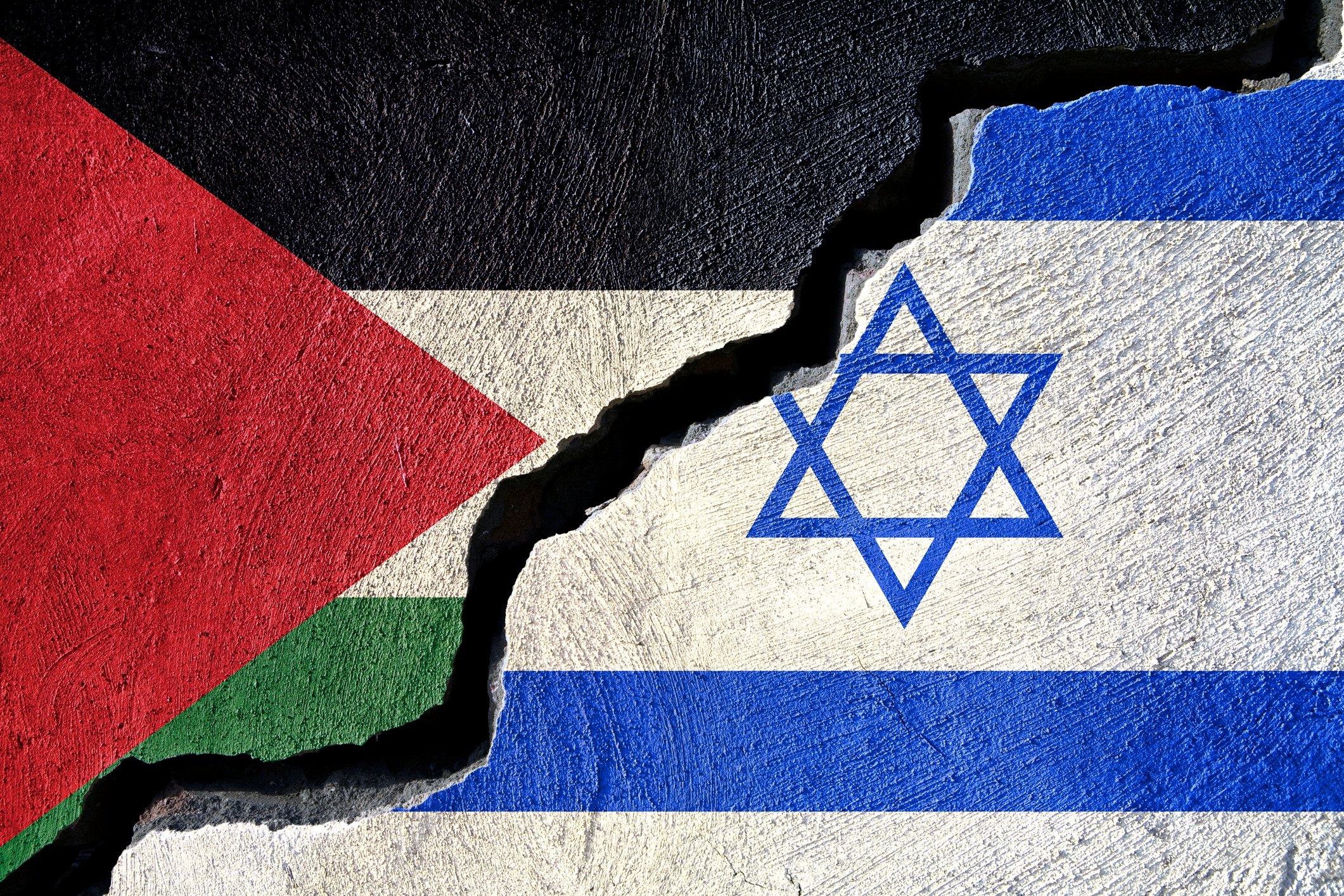
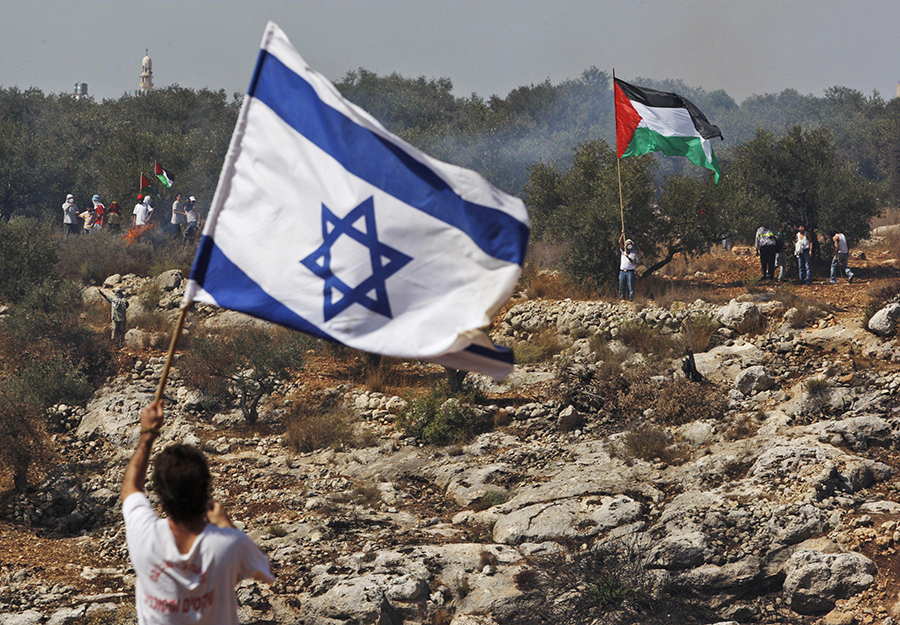
After listening to another poetry seminar about the poem, We shoot children too, don’t we?” by Dan Almagor, I can see a prevalent theme of humanity versus corruption. From what I recall, the group analyzed the irony of the title and many other figurative elements, which all supported the theme of humanity. Almagor’s use of irony from the title shoot children too, don’t we?” depicts how the conflict between the Israelis and Palestinian have resulted in a loss of humanity. In context, Almagor speaks on behalf of the Palestinian nation, and how they should not lose their humanness for their struggle for freedom, but instead be more peaceful and diplomatic. As the conflict claims many lives, Almagor stresses the fact that we could save lives if we retain our humanity, instead of using force and violence.
While re-reading the poem, the repetition of the word “Humiliation” stresses the loss in humanity due to the conflict. As adversity between nations occurs and lives are lost, people seek vengeance for their people, ultimately resulting in more killings. In this poem, Almagor illustrates how individuals lose their humanity through conflict, and how it is humiliation to constantly use force against people without any regard of empathy.
Conclusion
Overall, I clearly enjoyed reading both the poems that were discussed above, and both had really strong themes that were conveyed. To summarize, the poem Lady Liberty, demonstrated how nothing in this world is perfect, and how everyone should focus on their imperfections rather than celebrating their perfections. The other poem, “We shoot children too, don’t we?” uses a rhetorical question and irony to portray the theme of humanity and how individuals must not lose it during conflict, as it is “humiliation’’. All in all, both poems were great to read and provided great messages.
Feature Image: https://www.freepik.com/premium-vector/liberty-statue-america-monument-landmark-travel-destination-vector-illustration-isolated-icon_32983673.htm
Picture 1 – https://www.politico.com/story/2018/06/17/statue-of-liberty-arrives-in-new-york-harbor-june-17-1885-646495
Picture 2 – https://peacetracts.org/israel-palistinian/